
Nathan Chavez, Reporter
EL MORRO, N.M. – Doug Baum of the Texas Camel Corps gave several presentations of the history of Beale’s Expedition through the Southwestern United States at El Morro National Monument. Visitors to the monument were welcomed to sit down and listen to Baum, as well as pet and take pictures with camels he brought with him. Baum shared part of the story with visitors not only to highlight the history of the Camel Corps, but to grow an appreciation for the history of El Morro that could have easily been lost. Beale was a retired U.S. Navy lieutenant and superintendent of the Bureau of Indian Affairs in California. Beales’s expedition took place 165 years ago, in 1857. There was no easy way to travel through the Southwest at the time. Historians called this era, “The U.S. Army Camel Experiment”. Since 1836, people had been considering the idea of importing camels for military use to aide in crossing the Southwestern United States. In 1848, Beale delivered news of the discovery of gold in California to Washington D.C. This opened the gates towards solidifying more means of travel to the area. However, it wasn’t until 1855 that congress approved the funding for military experimentation with camels. Jefferson Davis, a Mississippi senator, was able to persuade congress to appropriate $30,000 for the purchase of camels. This led to Major Wayne of the Army and Lieutenant Porter of the Navy heading to the Middle East to shop for camels. After two voyages, they brought back a total of 75 camels for military use.
Beale and his cohorts left Chester, Pennsylvania in the spring of 1857 heading towards San Antonio, Texas. The journey took about a month, but it was there they saw the camels for the first time. From here, the goal was to make it to Los Angeles, California. Many of the water sources in New Mexico were known at the time, but beyond it into Arizona was still largely unknown. They continued on through El Paso and headed North to Albuquerque, worrying about the unknown conditions they would face ahead. From here they crossed over towards Cubero, in Cibola, and then began to make their way towards El Morro.
They arrived in El Morro on August 23 and they only spent a day there to rest. According to the journal of May Humphreys Stacey, a 19year-old boy who accompanied the two-and-a-half-mile camel trek, the feeling that the monument left with them would last the rest of their lives.
Many members of the expedition left their names carved upon its surface before continuing on towards California, solidifying their journey as a small part of El Morro’s long history. Among the markings, the oldest ones date back 1000 or more years, according to monument staff.
Baum stressed that though the camel expedition visiting El Morro was just a small part of the overall picture, he hopes that the people who visit and learn more about the experiences that have been shared here, will leave them with an appreciation for the larger history of the site. The monument has a small museum with an exhibit dedicated to Beale’s expedition for those who visit and wish to know more.
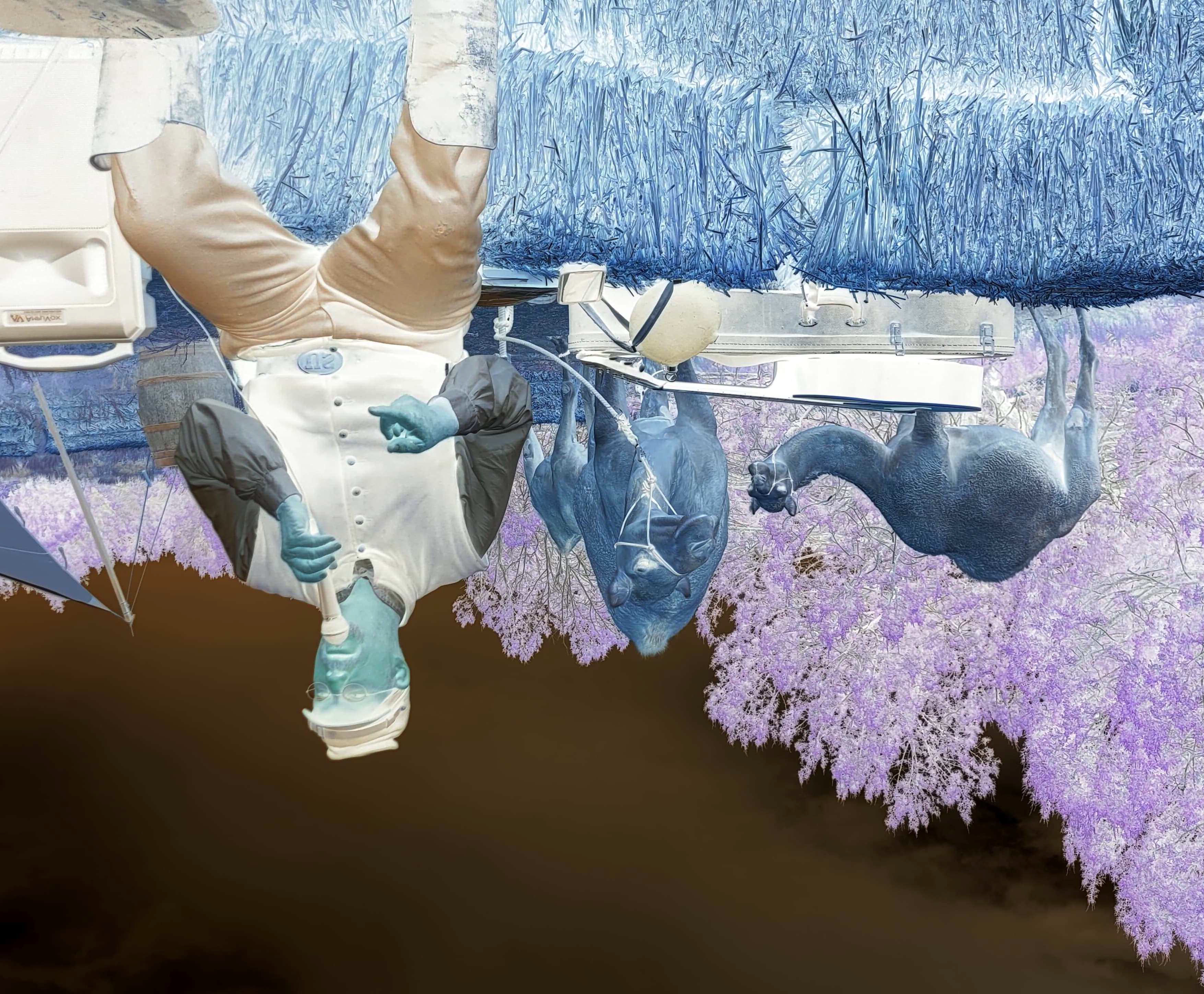
Doug Baum of the Texas Camel Corps came to El Morro to talk about the history of Beale’s camel expedition that stayed at the site during their journey to California.
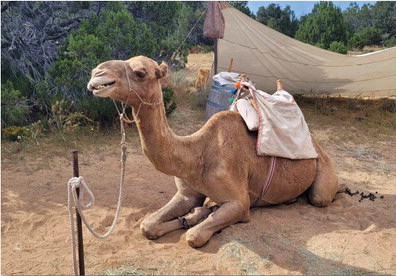
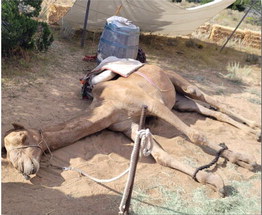
Camels were imported to the U.S. in 1857 for experimental use by the army during Beale’s expedition through the Southwest.
Nathan Chavez - CC