
GRANTS, N.M. – Cibola County’s law enforcement agencies find themselves at the center of a growing national debate as federal immigration enforcement ramps up under new executive orders from the White House.
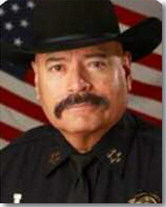
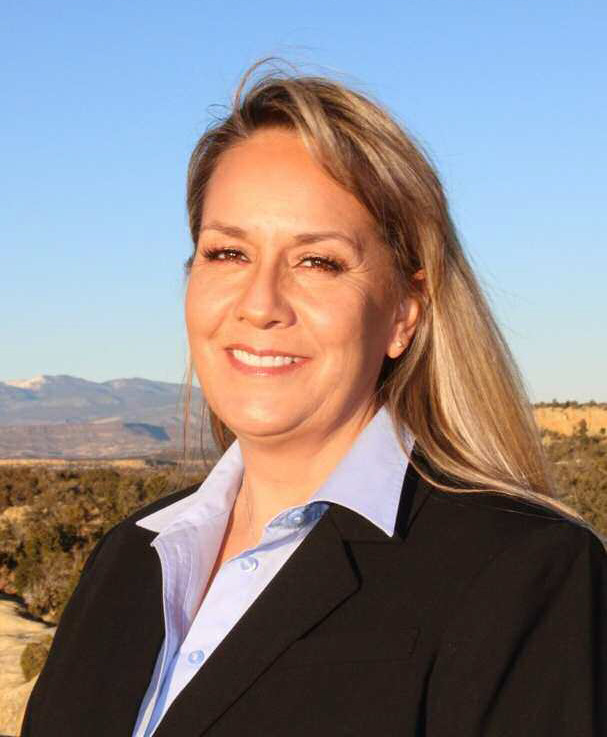
Sheriff Larry Diaz and Grants Police Chief Maxine Monte have made it clear that while they will assist federal agencies when required, their priority remains the protection and safety of the community. Yet, as Immigration and Customs Enforcement (ICE) increases its presence in New Mexico, the balance between local policing and federal mandates is becoming harder to navigate.
The latest executive order, Protecting the American People Against Invasion, has drastically altered the federal government’s approach to immigration. Revoking previous policies, the order calls for stricter enforcement and encourages local law enforcement agencies to work alongside ICE to identify and apprehend undocumented immigrants. However, New Mexico law does not require local agencies to participate in civil immigration enforcement. The New Mexico Department of Justice has issued guidance making it clear that detaining individuals based on ICE requests alone could create legal liabilities for local agencies, emphasizing that immigration enforcement is a federal responsibility, not a local one.
Sheriff Diaz, speaking about the Cibola County Sheriff’s Office’s position, explained that while his office will cooperate when necessary, they are not in the business of enforcing federal immigration laws.
“If ICE were to come knocking on our door today and ask for assistance, within our limitations, we would provide it,” Diaz said. “But we are not ICE. We enforce state law, and our priority is the safety of all residents, regardless of their immigration status.” He added that Cibola County does not have an agreement with ICE under the 287(g) program, which would deputize local officers as immigration agents. Instead, if his department encounters an undocumented individual during an arrest, they contact the federal authorities and leave it in their hands.
“We don’t hold people just because ICE asks us to,” Sheriff Diaz said, “That’s not our job.”
The sheriff’s position aligns with the NMDOJ’s guidance, which stresses that immigration detainers are not legal orders. Holding someone without a judicial warrant could violate constitutional rights, something local agencies must consider carefully. But while Sheriff Diaz is clear about his department’s stance, he acknowledges the delicate nature of the situation. Community trust is crucial to law enforcement, and aggressive immigration policies risk alienating residents who might otherwise turn to the police for help.
“The last thing we want is for people to be afraid to call us when they need help,” Diaz said. “We enforce the law fairly, regardless of a person’s immigration status.”
Like the sheriff’s office, the Grants Police Department must also face the reality of immigration changes.
Police Chief Maxine Monte wrote in a formal statement that her department does not arrest individuals based solely on immigration status and that immigration enforcement remains a federal responsibility.
“The Grants Police Department does not detain individuals or make arrests based upon immigration status,” she wrote. “Immigration enforcement is a federal responsibility. The City does not have an agreement with U.S. Immigration and Customs Enforcement under Section 287(g) of the Immigration and Nationality Act.”
Chief Monte, like the sheriff, explained that Grants Police Department is committed to fostering a safe environment for all residents.
The city encourages victims of crime to report incidents without fear that police officers will detain or arrest them based on their immigration status. “We ensure that individuals reporting crimes are not unlawfully detained based on federal immigration detainers. We do not enforce immigration laws, and we do not hold individuals based solely on ICE requests.”
Despite the pressure from federal authorities, the Grants Police Department remains focused on its role in the community. Monte stated that officers receive training on handling interactions involving federal immigration enforcement, ensuring that they understand legal boundaries and civil rights protections.
Chief Monte wrote that her department prioritizes cooperation with other local agencies, working closely with the state to ensure public safety while avoiding overreach into federal matters.
As tensions rise, the question remains whether local agencies will be able to maintain their current approach or if increasing federal pressure will force changes in policy. Sheriff Diaz and Chief Monte both indicated that, for now, there are no anticipated changes in how their departments handle immigration issues.
Sheriff Diaz said, “We’re following state guidance,” he said, referring to the NMDOJ guidance his office relies on. “We assist when needed, but we don’t enforce federal immigration law.”
The Village of Milan has yet to issue a formal stance, with its legal team still reviewing the implications of federal policy changes.
“We are here to protect and serve, not to police immigration status” Sheriff Diaz said, “If you need help, call us.”