
CIBOLA COUNTY, N.M. – Five people are currently missing in Cibola County. Their disappearances span over two decades, with the earliest reported case dating back to 2002.
For each case, the sense of loss, longing, and search for answers continues. Local and federal law enforcement agencies, in cooperation with community organizations, are working tirelessly to address these unresolved cases, especially as Native American families disproportionately bear the weight of unsolved disappearances in the region.
In recent months, these efforts have intensified through a joint operation between the FBI and the Bureau of Indian Affairs—Operation Not Forgotten 2024—aimed at resolving missing persons cases and addressing violent crime within Tribal communities across New Mexico and other impacted states. This article explores Cibola County’s unsolved cases, the community’s continuing search for closure, and the broader initiative underway to bring justice to Tribal communities across the United States.
Cibola County law enforcement, including the Cibola County Sheriff’s Office under the leadership of Sheriff Larry Diaz, the Grants Police Department headed by Chief Maxine Monte, and the Milan Police Department under Chief Carl Ustupski, collaborate closely to locate missing persons. Recent cases have demonstrated the agencies' quick mobilization, deploying drones, K9 units, and coordination with neighboring departments.
The Unsolved Mysteries of Cibola County Missing Since January 18, 2008
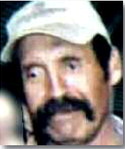
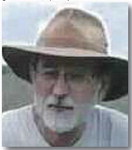
Known by his family and friends as a quiet, reliable man, Eusebio Montoya was last seen at his home in Grants, N.M. on January 18, 2008. When he went missing, Montoya, 57, left behind all his personal belongings, including his vehicles. Days after he was last seen, family members, alarmed by his uncharacteristic absence, reported him missing. His home, located on Oso Ridge Road, showed no signs of forced entry or struggle, leaving his disappearance a baffling mystery. At the time of his disappearance, Montoya wore a camouflage turtleneck, brown Carhartt overalls, a custom Lucky 13 pendant, and a black Seiko watch. Friends and family recall his well-trimmed gray beard and his graying brown hair with a distinct bald spot at the front. Although local law enforcement conducted several follow-up investigations, many of the original case documents were lost during a system overhaul in 2012, which has complicated current investigative efforts.
Contact: Grants Police Department, (505) 287-2984
Missing Since April 15, 2008
Sixty-one-year-old Steven V. Romero went missing while en route from his home in Magdalena, N.M., to a doctor’s appointment in Albuquerque. Driving a blue 2003 Ford Ranger, Romero stopped at his bank in Albuquerque but never made it to his appointment. On the morning of April 15, he stopped for breakfast at the 1st Street Café in Grants, marking the last time anyone saw him.
The following day, authorities discovered his abandoned truck along State Road 117, south of Grants. The vehicle showed no signs of major damage aside from two deflated tires. Inside, law enforcement found food, water, a baseball cap, and a copy of the now-defunct Grants Daily Beacon dated April 14, 2008. Missing from the truck, however, were several key items, including Romero’s GPS device, his blue hiking backpack, and his personal identification documents. Romero, who lived with mild muscular dystrophy, was an experienced hiker, yet his unusual disappearance has puzzled investigators.
Contact: New Mexico Department of Public Safety, 1-800457-3463 Missing Since 2018
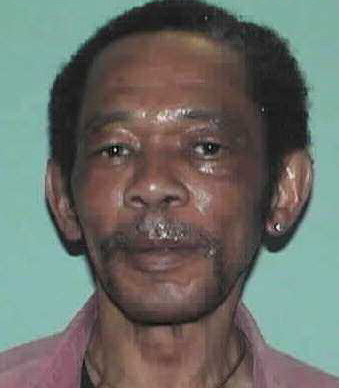
Richard Williams, a resident of Pinehill on the Navajo Nation, was last seen by a friend who dropped him off at his house in the early morning. Known for his sociable nature, Williams’ sudden disappearance alarmed those who knew him. Ramah Navajo Police Department launched an investigation, receiving support from the U.S. Department of Justice to assist in tracking down any leads.
Williams is a Black man with brown eyes, standing 6'1' and weighing around 180 pounds at the time of his disappearance. On the day he vanished, he wore a dark green hooded jacket, a green and red shirt, blue jeans, and his signature earring in his left ear. His friends and family continue to advocate for his return, appealing to anyone with information to come forward. Contact: Ramah Navajo Police Department, (505) 775-3224
BarbaraAnn Gould
Missing Since November 14, 2018 Seventy-four-year-old Barbara Gould was reported missing from her home in Thoreau, N.M., after neighbors raised concerns about her well-being. Known for her distinctive green eyes and standing at 5'1' to 5'3', Gould left a lasting impression on her community. At the time of her disappearance, she wore a brown jacket, black yoga-style pants, and carried a yellow and black purse.
The Cibola County Sheriff’s Office conducted extensive searches over the years, enlisting drones, K9 units, and canvassing the Zuni Mountains and surrounding areas. Gould’s history of mental health challenges made her particularly vulnerable, and the community has remained engaged in efforts to locate her. Her family continues to ask for public support in bringing closure to her case. Contact: Cibola County Sheriff’s Office, (505) 876-2040
Elaine Elisa
Jaramillo-Vigil
Missing Since June 11, 2020
Elaine Elisa Jaramillo-Vigil, last seen leaving her home in San Rafael, has not been seen since the evening of June 11, 2020. The 5'6' tall woman, weighing around 135 pounds, was wearing a tan spandex shirt with multiple colors and gray capris at the time of her disappearance. Known for her warm and friendly demeanor, Jaramillo-Vigil’s sudden disappearance has been deeply felt by family and friends.
Local and state authorities, including the New Mexico State Police, conducted numerous searches, hoping to uncover clues. Her family holds onto hope, advocating for continued awareness and assistance from the public in finding her.
Contact: Cibola County Sheriff’s Office, (505) 876-2040
Leland Walker
Missing Since September 1, 2022 Leland Walker, a 39-yearold man from Zuni, N.M., was last seen on September 1, 2022. Known for his close ties to family and the Zuni community, Walker’s disappearance has caused deep concern among those who know him. At the time of his last sighting, he was described as an American Indian man with black hair, brown eyes, standing at 5'7' and weighing approximately 200 pounds. His family continues to advocate for public assistance in bringing him home.
Walker’s case is part of the ongoing efforts in New Mexico and across Tribal lands to address the pressing issue of missing Indigenous people. Local and Tribal authorities have been active in the search, working alongside agencies like the FBI to bring attention and resources to his case.
Operation Not
Forgotten 2024
A Broader Push to Resolve Missing and Murdered Indigenous Persons Cases
In response to the disproportionate violence impacting Indigenous communities, the FBI and Bureau of Indian Affairs launched Operation Not Forgotten in 2023, which continues today with a commitment to resolving cases involving missing and murdered Indigenous people. From June to September 2024, this operation mobilized more than 50 personnel, including FBI agents, intelligence staff, and victim assistance professionals, to assist with unresolved cases in Tribal regions like New Mexico. The initiative reflects an urgent, inclusive approach to solving violent crime in Indian Country, especially those cases involving vulnerable individuals such as children and women.
Key achievements of Operation Not Forgotten in 2024 include:
• 300 cases received intensified investigative and victim support.
• 40 arrests and over 40 search warrants were executed.
• 11 indictments were issued for violent offenders.
• 9 child victims were recovered from abusive situations.
• 440 victims and next-of-kin received support services, ranging from forensic interviews to emergency financial assistance.
Richard Melville, Director of the Bureau of Indian Affairs' Office of Justice Services, spoke about the critical impact of these joint efforts, “Joint investigative efforts between the FBI and BIA increase investigative resources and strengthen our ability to bring closure and justice for families and victims.” This cross-agency collaboration seeks to build trusted relationships with Tribal communities, ensuring comprehensive support for each case.
The Albuquerque FBI Division, led by Special Agent Raul Bujanda, reinforced the agency’s dedication to these efforts: “Through our strong partnerships with local and Tribal agencies, our efforts to combat crime and protect the community remain a top priority.” This year’s operation focused on building trust and tangible results, signaling the FBI's longterm commitment to closing cases and supporting victims in Indigenous communities.
November marks Indigenous People’s Month— a reminder of the ongoing crisis of missing and murdered Indigenous persons (MMIP).
The plight of Cibola’s missing individuals, alongside the broader challenges faced by Native American communities, highlights the importance of continued cooperation between local, state, and federal agencies.
Residents with any information on unsolved cases or knowledge of crimes affecting Indigenous communities are urged to contact the FBI through tips.fbi.gov, call 1-800-CALL-FBI, or reach out to their local FBI office.
By coming together as a community and leveraging the power of partnership, Cibola County and the broader New Mexico region strive toward a future where every missing person is found, and every family has answers.