
CIBOLA COUNTY, N.M. – U.S. Rep. Gabe Vasquez visited several tribal communities in and around Cibola County last week as part of a three-day trip through Indian Country, stopping in Acoma Pueblo, Zuni Pueblo and Ramah Navajo during a broader swing across New Mexico’s 2nd Congressional District.
According to a press release from Vasquez’s office, the trip took place April 1 through April 3 and included visits to Isleta Pueblo, Alamo Navajo, Acoma Pueblo, Zuni Pueblo, Ramah Navajo and To’Hajiilee. The stated purpose of the trip was to meet with tribal leaders, educators, students, seniors, public safety officials and residents to discuss local priorities including education, housing, health care, water rights and public safety.
For Cibola County readers, the local significance of the trip was clear: it is relatively uncommon for a sitting member of Congress to make multiple stops in this part of western New Mexico, particularly in communities such as Acoma, Zuni and Ramah, where federal policy often has a direct effect on infrastructure, schools, water projects and tribal programs.
At Acoma Pueblo, Vasquez toured the Acoma Senior Center and highlighted $2.9 million in fiscal year 2026 Community Project Funding that his office said was secured for senior housing repairs. According to the release, those funds are intended to improve safety, accessibility and energy efficiency for low-income elders in the community.
Later, Vasquez participated in a town hall in Acoma focused on the Radiation Exposure Compensation Act, better known as RECA, and health care. The release said he appeared alongside State Rep. Michelle Abeyta and Acoma Pueblo Gov. Riley and discussed efforts to help New Mexicans access compensation and strengthen health services in tribal communities.
In Zuni, Vasquez visited Zuni Salt Lake with tribal leadership, including Gov. Arden Kucate and Lt. Gov. Cordelia Hooee.
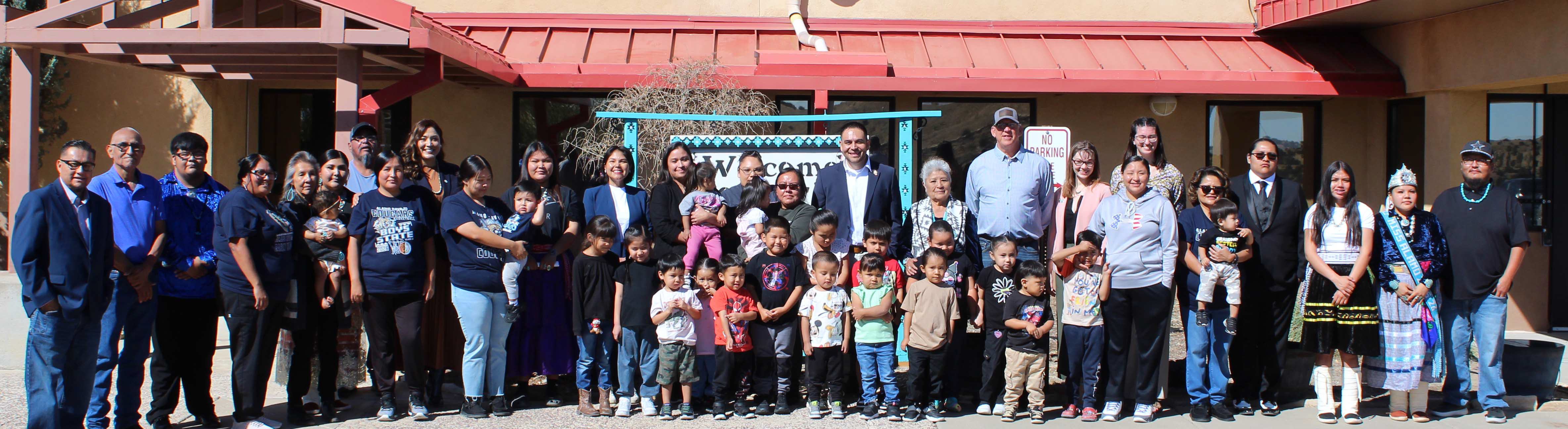
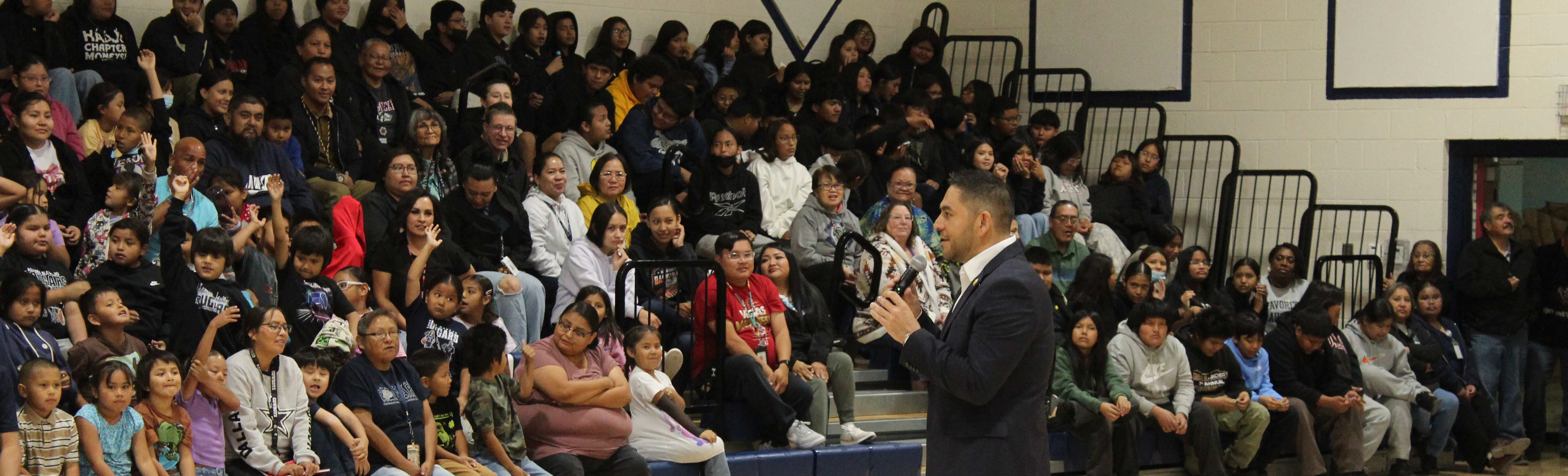
In Ramah Navajo, Vasquez met with school leaders, educators, students and chapter officials at Ramah Navajo Chapter School in Pine Hill. During that stop, his office said he highlighted $1.09 million in fiscal year 2026 Community Project Funding for improvements to Ramah’s drinking water system.
The release also said Vasquez discussed the reintroduction of the Parity for Tribal Educators Act, legislation aimed at helping tribally controlled schools recruit and retain teachers by extending access to retirement benefits comparable to those available at Bureau of Indian Education-operated schools.
In a statement included in the release, Vasquez said the conversations he had during the trip would continue shaping his work in Congress.
“Since being elected to office, I have maintained my steadfast commitment to Indian Country in our district and across the state,” Vasquez said. “Over the last week, I heard directly from Tribal leaders, educators, students, seniors, parents, and public safety officials about their concerns and opportunities. Those conversations will continue to guide my work in Congress”.
The trip comes during an election year, when federal officeholders often spend more time in communities across their districts. Still, the visit is a reminder of the practical importance of congressional attention in places like Acoma, Zuni and Ramah, where federal appropriations, water settlements, school support and public safety resources can carry real local consequences like recently when Jacob’s Well went down in Cibola’s south.
Vasquez concluded the tour in To’Hajiilee, where he met with law enforcement, local officials and community leaders for a public safety roundtable following recent violence there. According to the release, the discussion focused on staffing shortages, emergency response times and federal support for tribal law enforcement infrastructure.
Throughout the trip, Vasquez’s office said the congressman emphasized partnership with tribal governments and continued support for tribal sovereignty and self-determination.