
GRANTS, N.M. — A once steady stream of cash is about to end for Continental Divide Electric Cooperative (CDEC), and local leaders — from Gallup to Grants — are now openly asking what that will mean for ratepayers, financial stability, and the future of the cooperative.
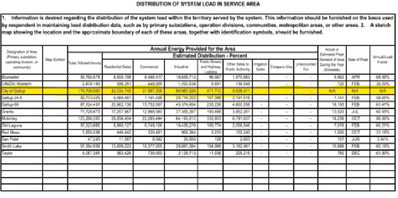
On July 1, 2025, the City of Gallup will formally sever its wholesale power relationship with CDEC and begin purchasing electricity from Guzman Energy at a significantly lower price. That decision will end a decade-long contract valued at roughly $9 million annually — revenue that, while technically 'passthrough' to Tri-State Generation & Transmission, still provided CDEC with about $355,000 in net earnings last year and a guaranteed, stable customer.
With that revenue gone, concerns are now growing across CDEC’s service area about how the cooperative will absorb the loss.
Mayor Erik Garcia of Grants publicly raised those concerns last week in a Facebook post that quickly gained traction.
Garcia questioned whether rising rates in Grants could be tied to lost business from customers like Gallup and Acoma and Laguna Pueblo. He also questioned CDEC’s transparency, noting the cooperative has not clearly addressed how the Gallup departure will affect rates.
'Here in Grants, our rates have been slowly creeping up, and no one’s offering real explanations,' Garcia wrote. 'No mention of the lost Gallup contract. No transparency.'
CDEC denies the idea that Gallup’s exit represents a major financial crisis.
“There is no $10 million shortfall,” wrote Member Services Manager Macario Juarez Jr. in a response to the Citizen. 'The contract was a pass-through for power purchases. The anticipated loss has already been factored into a costof- service study underway, which will help us determine future costs and any rate adjustments.'
CDEC also denied claims of cross-subsidization between its electric and broadband operations. 'No cross-subsidization has taken place, nor is it planned,' Juarez wrote, calling Red Bolt Broadband 'a stand-alone entity.'
Still, their own annual financial reports shows CDEC faces rising costs elsewhere.
Purchased power, debt payments, and operating expenses are all climbing. In 2024, CDEC reported a $440,675 loss from opera- tions — only offset by investment earnings and capital credits that pushed the cooperative into the black.
Meanwhile, Guzman Energy confirmed that Gallup will see immediate savings after switching providers.
According to City of Gallup Electric Director Charles Norse, Gallup expects to pay $9 per megawatt hour less for wholesale power, while upgrading its system to reduce outages. 'We are hearing the people of Gallup and improving our systems,' Norse said. 'We’re reducing outages and, I think I can brag a little on the City of Gallup, we’re doing well.'
ABroader Debate Emerges
The question now is not only how CDEC will fill the hole left by Gallup, but whether other communities — particularly Grants — will eventually follow. Grants' franchise agreement with CDEC expires in 2027, and Mayor Garcia has hinted that he and the city council may want to explore other options.
“It may be too late to consider a full conversion like Gallup,” Garcia wrote. 'But isn’t it worth talking about where we’re heading?'
The changes to CDEC’s customers comes amid recent questions about leadership and accountability at CDEC. Board President Robert Castillo, who also serves as President of the Cibola Communities Economic Development Foundation (CCEDF), has been at the center of a separate governance controversy over dysfunction at that organization.
In a statement to the Citizen, Juarez wrote, “Continental Divide encourages all its employees to be involved in the communities we serve through volunteerism and leadership. CDEC leadership is currently participating with CCEDF to update its bylaws.”
CDEC Board Chair Keith Gottlieb issued a brief statement through email praising staff responses as 'professional and to the point.'
Still, some leaders are not satisfied with the status quo.
'These are serious issues,' Mayor Garcia wrote. 'And [we] deserve real answers.'
For now, CDEC insists it is prepared to move forward, saying in its report that it maintains healthy reserves, good financial controls, and plans to continue communicating with its members.