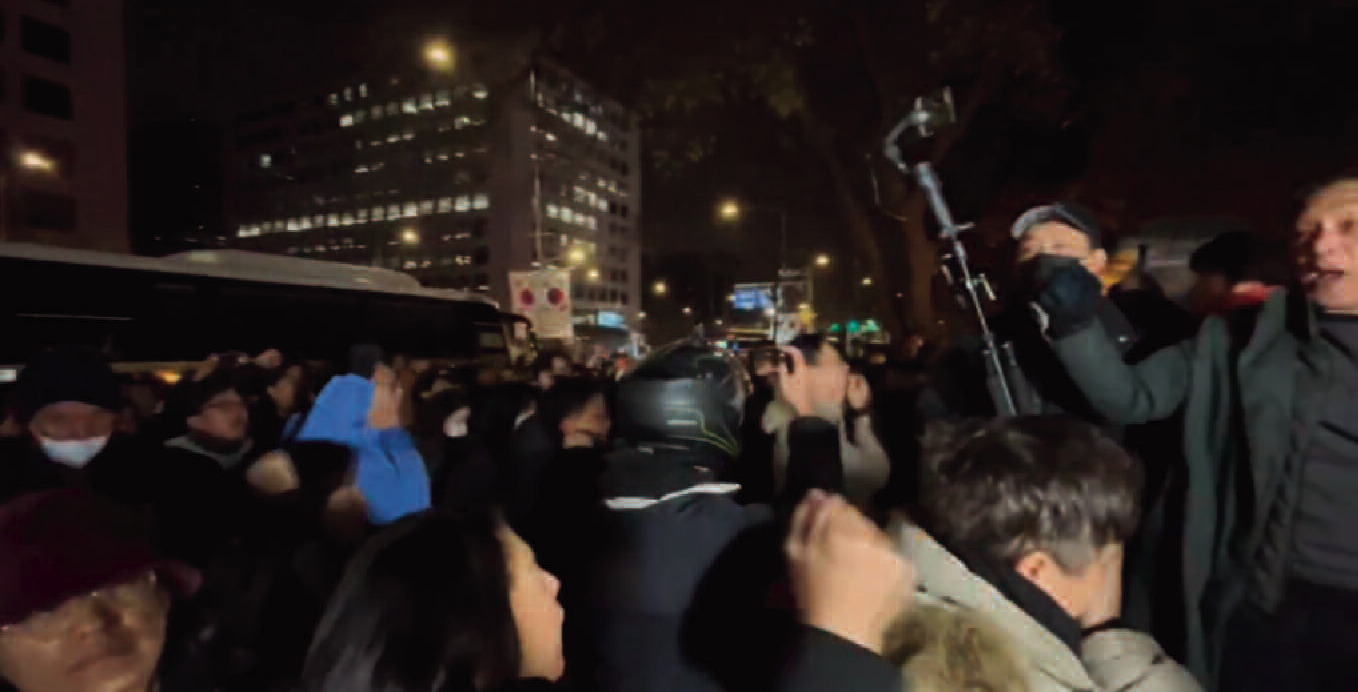
On the morning of December 3, US treaty ally and strategic partner South Korea declared martial law, suspending legal rights for citizens, media, and elected officials. The parliament voted to end martial law after three hours. Military leaders claim martial law remains in effect despite legislative action.
The Cibola Citizen has chosen to publish this information because South Korea is a Major US Ally that many Americans, and many Heroes from Cibola have fought in and for. Many of Cibola’s men and women have served at one point or another in South Korea, both in war and peace time.
This information will have an impact on the daily lives of every person alive today. No blood was spilled during this period that plunged one of the most important treaty allies of the US into a serious constitutional crisis.
The last martial law South Korea had was in 1980 after the assassination of a dictator. The people of South Korea are shocked as this announcement came unexpectedly.
This report was strung together as news was coming and information was cut off as of press deadline at 12 p.m.
Timeline
All actions are reported in local, Cibola time. That’s Mountain Standard Time. All translations are rough, as they were originally said or written in Korean.
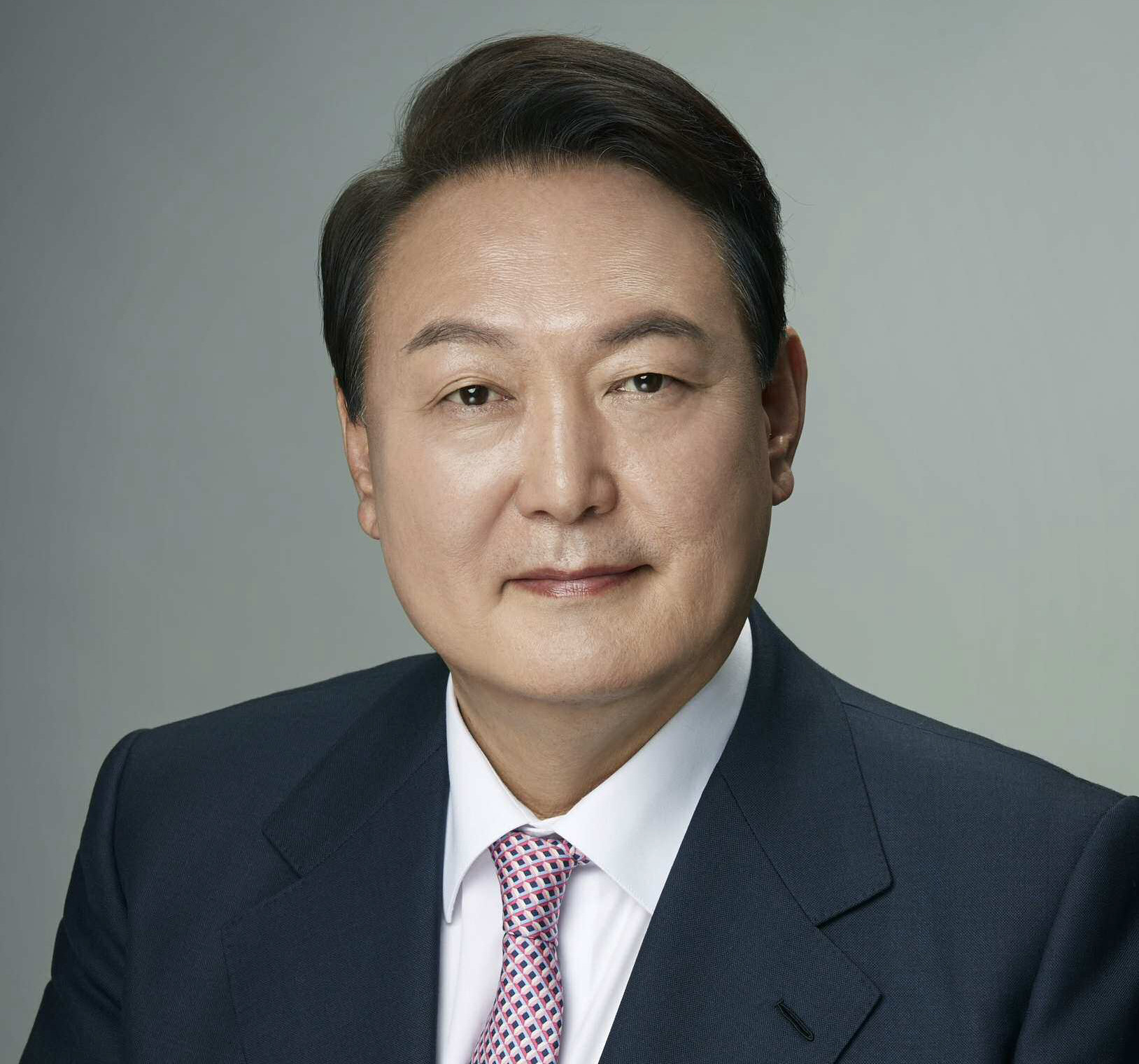
At 6:30 a.m., South Korean President Yook Suk Yeol declared martial law, declared political crisis and said the temporary martial law will “eradicate pro-North forces and protect constitutional order.”
At 6:49 political opposition leader Han Dong-Hoon wrote to supporters, “The president’s declaration of martial law is wrong. I will stop it together with the people.” Then rallied lawmakers to parliament, when they arrived at 7:12 a.m. police and military officials denied elected officials access.
South Korean stock market to operate as usual through December 4.
Around 7:30 a.m. military tanks were seen moving in front of the president’s office.
At 7:31 a.m. rules were posted. Military says all political activities are banned, all media and publishers are under government control, all medical staff including trainee doctors are being ordered to return to work within 48 hours. Anyone violating rules is subject to arrest without a warrant.
At 7:54 a.m. the White House announced US President Joe Biden’s administration in contact with the South Korean government and monitoring the situation “closely”.
At 7:56 a.m. a KW2 30mm Anti-Aircraft gun, and a K808 “White Tiger” Armored personnel Carrier were reportedly spotted on the streets of South Korean capital Seoul. Paratroopers and military aircraft seen. South Korean military aircraft land on the roof of parliament.
At 8:17 a.m. South Korean soldiers arrive at the parliament building in Seoul. Pushing and shoving with protesters begins.
At 8:23 a.m. Leader of South Korean political opposition Lee Jae-Myung declared “Yoon Seok-Yeol is no longer the president. I declare on the people to convene in parliament.”
At 8:28 a.m. South Korean UH-60 Black Hawk helicopters seen over Seoul. The ruling party leader calls martial law order “unconstitutional”.
At 8:45 a.m. there has been no report of violence other than between forces at the parliament building and protestors there. Reports are coming in that people are travelling to parliament, the roads are blocked, and people are abandoning cars on the road to walk to the government building.
At 8:52 a.m., martial law forces enter the parliament building as a quorum of lawmakers has gathered with the power to end martial law declaration.
At 9:08 a.m. The South Korean parliament voted 190-0 to end martial law. Under constitutional law, this should end martial law. Speaker of the parliament Woo Won-Shik speaks to soldiers, says, “Now that martial law has been nullified, you need to leave.”
At 9:20 a.m. South Korean military was seen departing Seoul. People in the streets chanting for the arrest of President Yoon. People are seen celebrating in the streets as military leaves parliament.
At 9:40 a.m. the South Korean military chiefs said military martial law will remain in effect until rescinded. Party chairs are calling on president to formally end martial law.
At 9:50 a.m., reports that South Korean law requires president’s cabinet to sign the legislative action by parliament.
At 10:51 a.m. lawmakers announce their intention to stay in the parliament building until the martial law order is lifted.
At 10:57 a.m. lawmakers sent a letter to President Yoon and Secretary of Defense Kim Yong-Hyun, calling on them to cancel the martial law declaration.
The data cutoff time has been met. Please find other *trustworthy news organizations to stay up to date with this major US ally. *Sources other than social media.
In its entirety, read the order declaring Martial Law in South Korea:
Because of the actions of elected officials, this order is no longer enforceable.
Order from South Korea's Martial Law Command:
To protect liberal democracy and safeguard the safety of citizens from the threat of anti-state forces operating within the Republic of Korea, the following measures are hereby declared across the entire nation effective from 11:00 PM on December 3, 2024: All political activities, including the operation of the National Assembly and local councils, political party activities, political associations, assemblies, and demonstrations, are prohibited.
Any acts that deny or seek to overthrow the liberal democratic system, as well as the dissemination of fake news, manipulation of public opinion, and false propaganda, are prohibited.
All media and publications will be subject to the control of the Martial Law Command.
Strikes, slowdowns, and assemblies that incite social unrest are prohibited.
All medical personnel, including resident doctors currently on strike or who have abandoned their posts, must return to their duties and fully resume work within 48 hours.
Failure to comply will result in punishment under martial law. Measures will be taken to minimize inconvenience to ordinary citizens who are not part of anti-state or subversive forces.
Violators of this proclamation will be subject to arrest, detention, and search and seizure without a warrant under Article 9 of the Republic of Korea Martial Law Act (Special Authority of the Martial Law Commander) and will be punished under Article 14 (Penalties) of the same law.
So… Now What?
The events of the morning left South Korea, and the world, in a state of shock.
While no blood was spilled, the declaration of martial law has plunged one of America’s most significant treaty allies into a constitutional crisis of historic proportions.
Video footage emerging from inside the South Korean parliament shows the lengths to which lawmakers and their aides went to resist the military’s intrusion. Legislative staff used furniture to barricade doors as heavily armed soldiers attempted to enter the chambers.
Though the military’s presence is unsettling, the swift and unanimous parliamentary vote to nullify the martial law declaration highlights the resilience of South Korea’s democracy. Locally elected leaders used their constitutional authority to challenge an executive decision that many deemed unconstitutional.
This is the power and importance of electing the right leaders to power.
As experts note, this is uncharted territory.
South Korea has not faced martial law since 1980, when it was used as a tool of authoritarian control following a dictator’s assassination. The world now waits to see how this situation will evolve. By the time this paper is in readers’ hands on Wednesday morning, the political and legal fallout may have taken new turns.
As South Korea navigates this crisis, the Cibola community should be reminded of the fragility and strength of democracy, and of the importance of strong leadership in protecting the will of the people.
Editor’s Note: At 12:35 MST, South Korean President Yoon Suk Yeol ordered the total withdrawal of martial law troops and rescinded his martial law order. This information came in just before press deadline for the paper.