OP-ED
Community loses its definition the moment we go deaf to our neighbors.
The slow drive into Hyatt Regency Tamaya Resort & Spa winds long and quiet through the Rio Grande bosque. The road snakes through land that was named and known long before anyone thought to pave it. The river stays close but hidden. By evening the Sandia Mountains pull something pink out of the atmosphere and hold it just long enough to mean something before the desert goes dark and still. It is the kind of ground that has outlasted a great many arguments about what matters.
From April 20 to 22, the Clean Energy Association of New Mexico convened the inaugural Nuclear in New Mexico conference at the Hyatt Regency Tamaya Resort & Spa on the Santa Ana Pueblo. Three days. Uranium executives, national laboratory researchers, tribal leaders, state legislators, federal regulators and community members across the same tables. The sessions covered ISR (in-situ recovery) technology, New Mexico's role in the domestic nuclear supply chain, energy policy and cultural exchange. On Earth Day, the third morning of the conference, protesters gathered at the corner of Tamaya Boulevard and U.S. 550. Their signs read 'Water is Sacred.' The conversation was happening on both sides of the road.
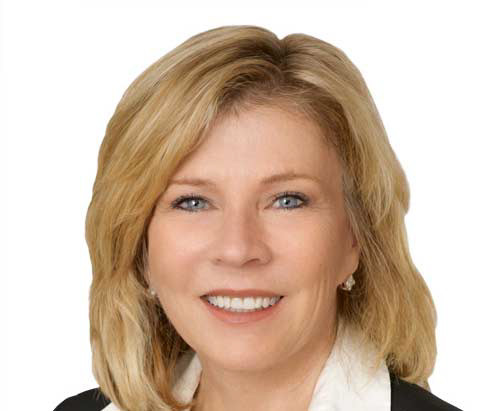
My name is Janet Lee-Sheriff. I am the president of the Clean Energy Association of New Mexico, also known as CLEAN. I have been doing this work long enough to know you don't go where you are not wanted. We came to New Mexico a decade ago to assess whether it was time to talk about uranium extraction. We met with Diné from the Navajo Nation. We decided we were too early and we left. We came back slowly, going to community meetings, not pushing anything, listening more than talking. Someone asked me recently why they hadn't heard of us a year ago. I asked them whether they would rather a stranger come in and build a 10-foot fence beside them or meet that neighbor first and then decide together whether the fence makes sense.
That is the only approach I know that works.
While the conference ran, messaging was moving through the community. Water. Cultural preservation. What this state has already been through with uranium. Those concerns are earned and they deserve to be said out loud.
New Mexico has 23 sovereign tribal nations. Many of them carry this history in their bodies. The Church Rock spill of 1979 was the largest radioactive release in American history. The Grants Mineral Belt left a generation of conventional miners sick and a landscape of abandoned sites nobody came back for. The Trinity Downwinders waited decades for recognition that finally came through the reauthorized Radiation Exposure Compensation Act in 2025. Diné families who lost loved ones to uranium mining in the 1960s and 1970s are still looking for specialized cancer care. Some of them are driving to Las Cruces to find it.
That history does not get managed or minimized. It sits at the center of the table. But it cannot be the only thing on it. The question is what we build from here. The communities that absorbed the worst of the last chapter have the most right to shape the next one.
Water is where this argument holds or it collapses. It is the right place to press, and it deserves a direct answer.
ISR uranium extraction is only permitted in aquifers regulators have already designated as unsuitable for use. Naturally occurring mineral content, uranium among it, makes them undrinkable and unfit for irrigation or domestic use. That was true before any operator arrived. The technology works within those alreadycompromised formations. It does not reach viable water zones by design and by law. Protecting surrounding water quality is not a goal operators pursue when convenient. It is the condition under which they are permitted to operate at all. Federal and state agencies require continuous monitoring for the life of every project. That standard does not bend.
None of that means the public should take anyone's word for it. It means the public should demand the data, show up to comment sessions, ask the hard questions in rooms where the answers are on the record.
I learned something working with First Nations in Canada that I have never forgotten. You do not walk into a room representing government or industry and expect to lead. You go to the community first. You build a path together. Then you walk into the larger room as one voice. That is the only way to survive any administration, any political season, any change in the wind. If the people have a plan, the governments must work with the people.
I think of trust the way I think of a bank account. You put a little in every day. You build it up. You do something careless and it empties fast. Consistency is the only thing that keeps the balance. Boots on the ground. Showing up again. Showing up again after that.
I am not a box checker. This conference was not a consultation exercise or a compliance event. It was the beginning of something harder and more necessary. The nuclear conversation in New Mexico belongs to New Mexico's communities, particularly the ones closest to the land, and the industry's job is to earn a seat at that table, not assume one.
I heard a line once from a Lakota Sioux medicine man. He said he was but a little hollow reed. It stayed with me because it puts things in their right proportion. You are not here for long. What matters is what you help flow through you toward something better.
Two days before the conference opened, I told my husband I was still surprised it had all come together. He said he was not surprised at all. That gap, between the people who believe something is possible and the ones still waiting to see, is exactly the ground this work is trying to cross.
The neighbors we stop hearing don't go away. They just stop trusting us. And once that account is empty, it takes a very long time to build back up.
The first voice heard at this conference was not mine. It belonged to a member of the Tamayame, who welcomed us to Tamaya in Keres and asked us to honor the land we were standing on.
To the Tamayame, thank you. For the ground you let us stand on, the language you opened with, and the trust you extended to a conversation still finding its footing.
Janet Lee-Sheriff is the President of the Clean Energy Association of New Mexico (CLEAN) and the Chief Executive Officer of Verdera Energy Corp.