
Extreme Weather is on the way to Cibola County. The National Weather Service is warning residents in the western portion of the United States that a heat dome is preparing to settle over the region, bringing potentially record-breaking heat to Cibola County. Monsoonal rains are expected to take a backseat as the heat dome finds a resting place over the country. Already, higher-than-average temperatures are being recorded in parts of Texas thanks to the heat dome, which is coming around just as New Mexico reaches the annual peak of fire season.
The warning comes the same day, July 4, as torrential rain in San Rafael, New Mexico, caused significant flooding in the streets. Flooding in Cibola County has resulted from the torrential rainfall this monsoon season. The flooding has disrupted large chunks of Cibola County, cutting off the village of Moquino, in Eastern Cibola, from the rest of the county. While County Commissioners are scrambling to solve these issues, flooding persists in portions of the county.
Monsoon Rains to Take a Backseat
Jet streams will change the rainy weather Cibola County has experienced and push the monsoon rains away as heat settles in.
Jet streams are, in essence, highways of wind in the sky that exist at the same altitude as jets fly. These winds cause shifts in the weather, and can be noticed when flying in airplane, according to AccuWeather.
“By the upcoming weekend, highs could be around 105 in places such as Salt Lake City, which is 10-15 degrees above normal for this time of year and would eclipse the hottest day of the year they've had thus far, which was 102 back on June 12,” AccuWeather Senior Meteorologist Dan Pydynowski said.
The change in the jet stream comes because warmer weather is forcing the winds to the far north, with the heat dome expected to affects even parts of Canada. By the end of the week, on July 9, scientists are expecting temperatures in the high 90s for places like Montana.
As jet streams go further north, heat will begin building, and has been for the middle plains and in the US. The lack of jet stream and rising temperatures are forcing air to sink, meaning that cloud coverage and precipitation will be limited.
The heat dome is slow crawling westward, with Phoenix, Arizona, expecting temperatures at least five degrees higher than normal for the weekend. Heavy rainfall in Cibola County is causing the area to see significantly higher levels of precipitation than normal, but thunderstorm and rain chances will significantly decrease in the coming weeks.
“The pattern that set up this year actually allowed the monsoon to start a little earlier than what we saw last year. The pattern I'm talking about is that big upper level high that usually waits until July to form, actually formed in June,” AccuWeather Chief Broadcast Meteorologist Bernie Rayno said. “The upper-level high that's been so prevalent across the Plains states is going to migrate to the west and strengthen across the southern Rockies and that, I think, will shut down the monsoon.”
Fire Danger Elevates
Monsoon relief has caused a relaxation in fire precautions by residents of Cibola County. After the Cerro Banderra Fire in the Zuni Mountains, the rains came, but intense heat will drastically increase the fire danger in drought-ravaged Cibola.
Cibola Fire Marshal Dustin Middleton reminds residents to keep the “Ready. Set. Go!” protocols in mind. This is a system to help residents evacuate in the event of a wildfire, the system was used in June to help residents evacuate in the event of a fire.
At ready status, make a plan to evacuate, pack all of your belongings and make sure you have important documents. At Set status, residents are encouraged to evacuate if they can, but at least pack their vehicles and make a final check to ensure all important documents are with them. At Go status, it is time to evacuate. Staying behind puts your personal safety at risk and will drain fire personnel of their resources if they need to go rescue a resident who stayed behind.
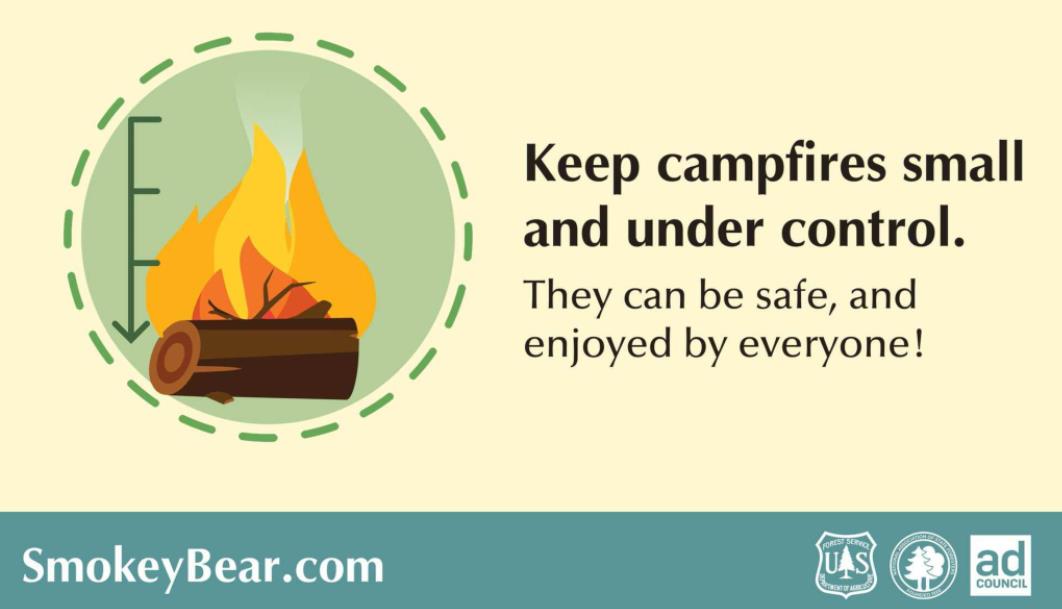
Cibola is still in an extreme drought, even with the heavy monsoon rains. If lighting fireworks or making a campfire, remember to have water handy and to properly extinguish all flames.