Mining shaped the economy, culture, and identity of communities across New Mexico, and nowhere is that more evident than right here in Cibola County, yet its human stories often remain untold.
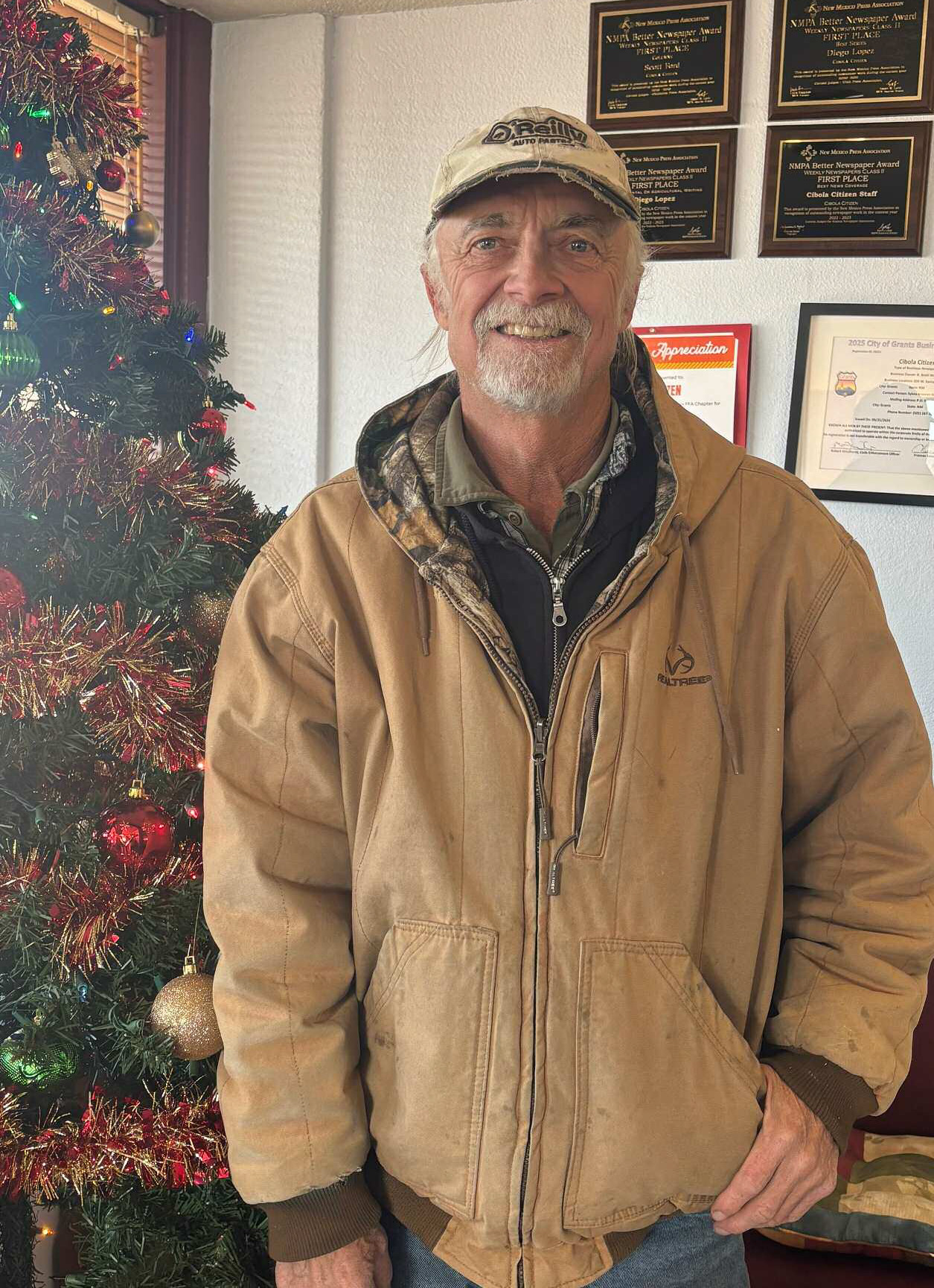
For Roger Siegmann, a third-generation miner, preserving those stories is a mission of personal and community significance. He takes such pride in the legacy and labor of mining that he doesn’t want the community to forget its significance, so, in the early 2010s, he had an idea: New Mexico’s largest mining registry – a way to record the laborers’ names, ensuring they will be honored for their sacrifice to their community and country.
The registry would be a living tribute to the labor of New Mexico’s miners.
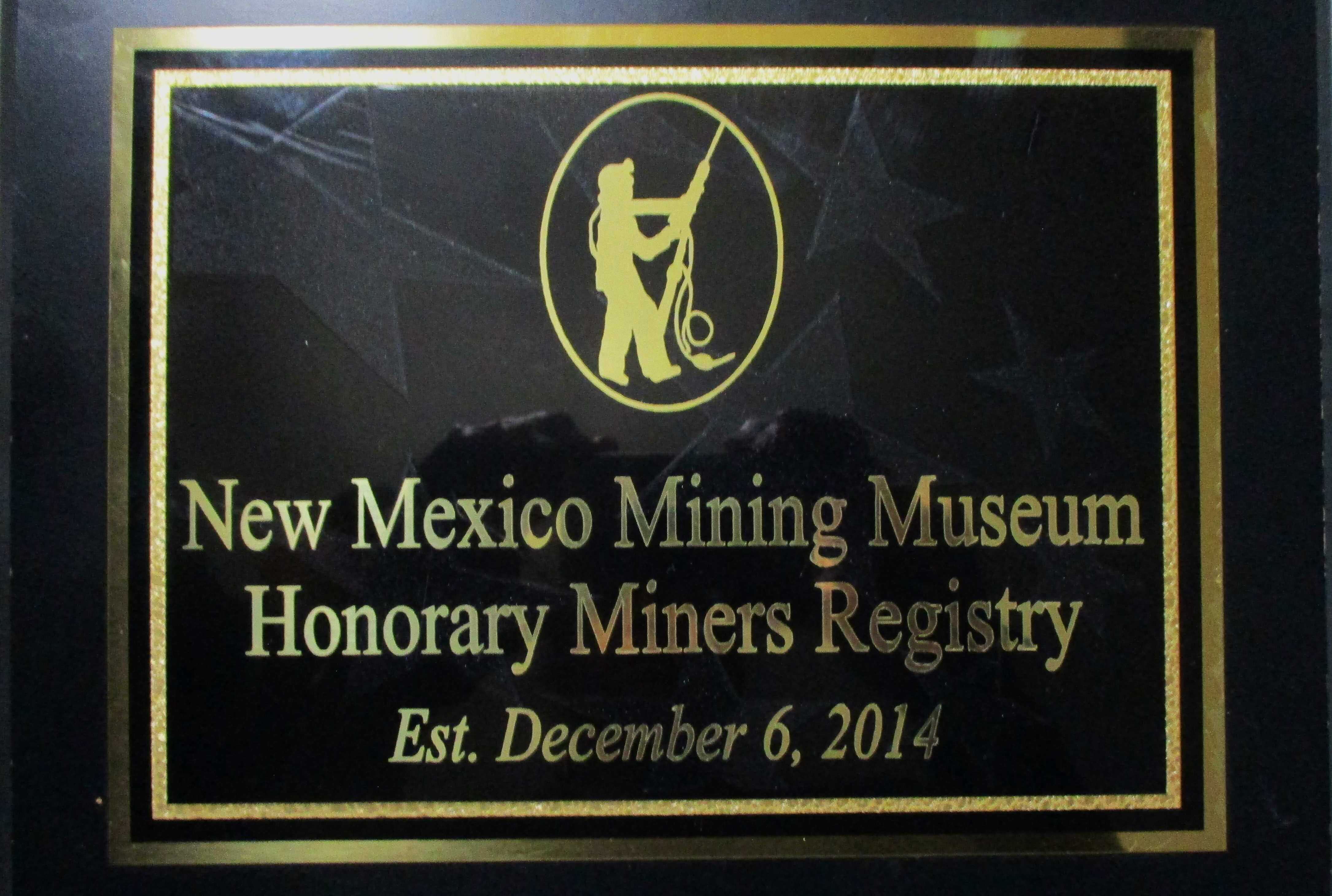
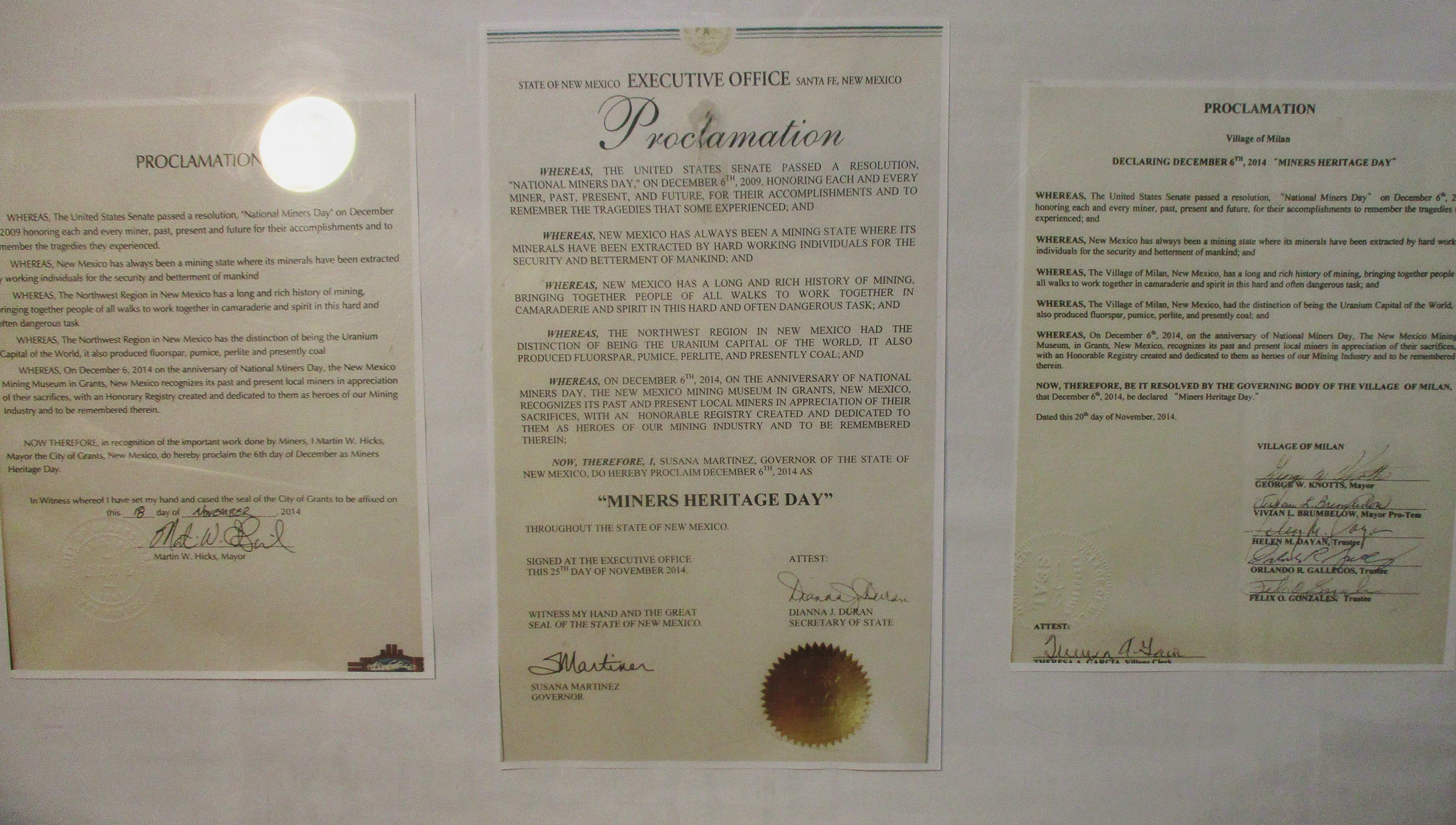
Siegmann’s project began in 2014 when he presented his idea to the board of the New Mexico Mining Museum in Grants. He envisioned a comprehensive registry documenting miners across the state, from uranium workers in Cibola County to copper miners in Silver City, and all miners across the state.
What started with five or six hundred names has grown to over 3,000, and Siegmann hopes the project will continue to expand. Families from all over New Mexico are encouraged to add their loved ones to the list, no matter the type of mine they worked in. “Every miner’s story deserves a place in history,” Siegmann said.
The New Mexico Mining Museum one of the more remarkable buildings in Grants, it stands tall in the center of downtown, 100 Iron Avenue. It’s here, at this monument to mining, you will find the registry.
What is the Registry?
It was the sense of camaraderie that inspired Siegmann to create a registry that not only honors miners but connects their families to this shared history.
He shared a moment when he met a young woman whose father’s name appeared in the registry. “It’s about keeping their stories alive,” Siegmann said. “I offered to take her on a tour of the museum so she could see what her dad did. That connection is what this is all about.”
The mining registry is housed at the New Mexico Mining Museum, where visitors can see the names of thousands of miners who shaped New Mexico’s, and Cibola’s history. Siegmann hopes the project will attract people from across the state to learn about their heritage and add more names to the registry.
T he registry features columns for a miner’s full name, nickname, years of service, and even details about the mines where they worked. “Nicknames are a crucial part of the record,” Siegmann explained. “In the mines, your nickname was your identity. It was often how your colleagues knew you, and it speaks to the camaraderie that defined mining culture.”
Each name in the registry represents not only a worker but also the stories and struggles of families who depended on mining.
These stories include not just uranium and coal miners but also those who worked with turquoise and other minerals across the state. “We want to include everyone, whether they worked in the uranium mines of Cibola County, the copper mines of Silver City, or anywhere else in New Mexico,” Siegmann said.
The mining registry at the New Mexico Mining Museum is more than just a list of names—it’s a living tribute to the men and women who built New Mexico’s communities through their labor underground. Siegmann describes the registry as a way to ensure that these miners’ sacrifices are not forgotten, creating a bridge between past generations and future ones.
The Personal Connection
Siegmann’s connection to mining runs deep.
His grandfather emigrated from Germany to Michigan to work in copper mines after World War I. Later, his father moved the family to New Mexico during the uranium boom of the 1950s.
Siegmann began his own mining career in 1972, starting in ventilation compliance to ensure safety standards were met underground. Over his 23-year career, he worked in several mines, including Ambrosia Lake and Church Rock.
For him, mining was more than a job, it was a community.
“Mining was a family,” Siegmann said. “The camaraderie kept you going. You enjoyed working hard and joking with the people beside you.” The bonds Siegmann formed underground were as strong as the ore they mined.
He remembers the colleagues and friends from underground fondly, from shared jokes and stories to the unspoken teamwork that kept everyone safe. “We were a family,” he said. “There was a sense of pride in working together to overcome challenges.”
However, mining also brought its share of hardships.
Siegmann witnessed the decline of the uranium industry, which deeply affected the Grants community. Mines closed, jobs disappeared, and the closeknit mining culture began to dissolve.
Despite these challenges, Siegmann speaks of mining with reverence. It taught him resilience, discipline, and the value of community—qualities he carries into his work on the mining registry. “Mining shaped my life in every way,” he said. “It’s the reason I’m here today, telling these stories and preserving this history.”
Siegmann welcomes the potential resurgence of mining, hoping it can bring economic opportunities to the region once again.
Contribute to History
The registry is not just a historical record; it’s also a tool for education.
Visitors to the museum can explore the registry, learning about the miners who shaped their communities. It serves as a valuable resource for families researching their ancestors, offering a glimpse into their loved ones’ lives and the conditions they worked in.
Siegmann hopes the registry will continue to inspire younger generations to connect with their roots. “It’s about helping people understand where they come from,” he said. “Mining wasn’t just an industry— it was a way of life that shaped everything around us.”
The miner registry at the New Mexico Mining Museum is growing every month, but the pace is insufficient to gather all of the names in the state.
“I want this to be the biggest mining registry in New Mexico,” Siegmann said. “It’s a way to honor everyone who worked underground.”
Every miner’s story deserves a place in history.
To contribute a name or learn more about the registry, visit the Mining Museum at 100 Iron Avenue in Grants or explore the online resources on their website.
Mining built Cibola, and as the 10th anniversary of the project approaches, Siegmann looks forward to celebrating a decade of preserving and sharing the stories of New Mexico’s mining community.