
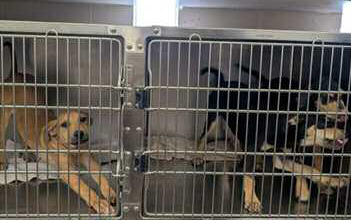
GRANTS, N.M. – The Grants Animal Care Center has been dealing with the issue of overcrowding for over 10 years. Despite the difficulties of handling over 100 animals on a day-to-day basis, with only five staff members and a handful of volunteers, the shelter remains determined not to euthanize due to overcrowding.
The shelter has been successful at adopting out animals and getting them to loving homes. While short staffed for the number of animals they process daily, employees at the shelter are working on ideas that will help to get the animals of Cibola adopted to help prevent overcrowding.
Challenges at the Center
Overcrowding is a huge challenge at animal shelters across the nation.
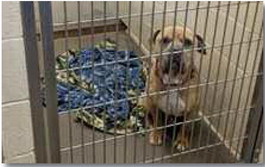
Overcrowding means more work for the already limited staff and volunteers at the Grants Animal Care Center, which can cause the animals to become overwhelmed or stressed, especially adult dogs, which are the most common animals at the shelter.
With Spring beginning, the shelter is expecting an increase of stray puppies and kittens.
Though it might seem that getting a bigger shelter will fix the problem, it won’t.” Rowe explained “We would fill it up quickly.” The most efficient way to fix this issue is to make the public aware. Not just aware of the overcrowding, but what they can do to prevent it.
The location of the shelter is, for most, at the edge of town. Located at 722 Sakelares Boulevard in Grants. “It’s hard for people to come out here.” Rowe admitted, “Its noisy and smelly.”
Due to the overcrowding and expense of having the filter cleaned, the staff and volunteers must deal with the smell issue on a daily basis.
At the beginning of this year. The shelter partnered with several rescues, helping them to move as many as 40 to 50 animals each month, excluding adoptions, to help reduce the overcrowding issue that exists at every shelter in the country.
“We work hard”
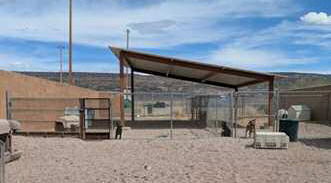
Every single day of the week – including the weekends – all the blankets, bedding, and bowls are cleaned, keeping the washer and dryer running all work hours. Every dog gets to go outside to a large, fenced area where they can run and play.
Though the shelter isn’t open to the public on weekends, the services they offer are still available.
If a resident wants to adopt a specific animal, or if the shelter finds a lost pet, staff will let the owner adopt or retrieve the animal.
Female dogs who are about to have puppies are sent to the dog programs at the local prison. Inside, inmates help dogs through their maternity and do 12-week programs. These programs are to train the animals before putting them up for adoption. These dogs are not sent back to the shelter, instead, they’re adopted out of prison to loving families. Currently, there are 18 dogs going through the program.
Rowe said, “We work hard. We clean. We try to keep our babies safe.”
Adoption Events
The animal shelter hosts adoption events when the weather is nice, and it is warm outside. Some of these events have taken place at area businesses, local events like the Rugged West, and at some events held at the Elks Lodge, resulting in over 45 adoptions.
Rowe said, “It’s just the ability to get into the community and have those events that enable us to really have success.”
The Spring and Summer event calendars are currently in the works. Every other weekend volunteers take some of the animals to the Farmers Market, which has been a success; not only in getting animals adopted, but also letting the animals socialize and be in a different environment.
At the upcoming Spokes on 66 Car show this June 5, the Grants Animal Care Center will have a pet parade, and animals will be up for adoption.
Even if the animals don’t get adopted at an event, Rowe believes it wasn’t fruitless “They came out. They saw new people, they interacted. They [smelled] new smells. They [heard] new sounds. They [saw] new sights. Everything that we can introduce them to is an enrichment for them.”
How to Help
There are several ways to support the Grants Animal Care Center: Donations - The shelter accepts a variety of donations. Towels, blankets, and dog or cat beds go quickly, along with toys and food for the animals.
Microchip - Microchipping your pet makes it easier for the shelter if they find an animal that belongs to someone. The microchip is scanned and within minutes the shelter will know where the pet is from and who to contact, ensuring a quick reunion.
Spay/Neuter - By spaying or neutering your animal, you are preventing it from having more puppies or kittens, which quickly multiplies, leading to the overcrowding situation.
Fostering - If you want to foster an animal, go to the shelter, find an animal you’re interested in fostering, and fill out a form. A requirement for fostering an animal is to have a finished yard with a fence. If a medical situation arises for the animal while it is being fostered, it is the shelter’s responsibility. If someone saw an advertisement for that animal and wishes to adopt it, a meet and greet will be scheduled. A “Foster Fail” is when a foster decides to adopt the animal. It is not necessarily a failure, as it is a good thing that the animal is getting adopted. “That’s okay. If that’s a match, that’s awesome.”
Volunteering - Socializing the animals is one of the easier tasks, but just as important. It helps these animals to know that other people can be good and prevent them from being aggressive with everyone. “You could come and socialize the puppies, socialize the kitties.” Rowe encouraged. Dog walking is another important thing that volunteers can do, “We always need dog walkers. That is tremendously helpful for social wellbeing of the animals.”
Vaccinate - Animals can spread sicknesses to other animals quickly. Whether someone tracks it on their shoes, clothes, or another animal, this could cause problems. “It doesn’t matter how hard we clean.” Rowe informed, it can spread quickly. To ensure the animals stay safe, the shelter has an outdoor area where they quarantine animals with sicknesses such as kennel cough, having the set up where it can still be warm. If an animal is ill and unvaccinated it could pass that illness onto its offspring.
“Some days, it’s a lot. You have to remind yourself why you do this job.” Rowe explained “You're a counselor. People have lost their animals. Their dog bit somebody, and now they're afraid it's going to be euthanized. And then you're trying to educate the public. You're trying to make a meaningful difference. You're trying to support your staff.”
Rowe cares deeply for each of the animals at the shelter, remembering the name of each of the animals, and often the backstory or location of where they were found.
Rowe encourages “If you know somebody who is interested, who maybe is looking for an animal, send them our way.”