GRANTS, N.M. — As the 2024–2025 academic year draws to a close, Cibola County’s education system stands at a critical crossroads: the slow and steady gains made this year are undeniable, but so too are the deep challenges that remain.
Recent data compiled by the Cibola Citizen shows a year of gradual progress across Grants-Cibola County Schools (GCCS). Reading and math scores inched upward throughout the year, with district-wide proficiency reaching 36 percent in reading and 18 percent in math by the end of the 2023–2024 school year. Midyear assessments showed positive momentum, particularly in early grades, and this growth continued into spring testing. Science proficiency, however, remains a persistent concern, and serious achievement gaps among American Indian students underscore the urgent need for culturally responsive education.
Superintendent Lane Widner, who recently signed a second-term contract extending his leadership through 2026, described the situation plainly earlier this year: 'Our data is on the rise... it is a slow rise, but we are making progress.'
A Year of Measured Gains
From kindergarten classrooms to high school lecture halls, incremental academic improvements appeared throughout the district.
Early literacy initiatives helped boost K–2 reading scores by several points, and students district-wide showed promising growth, particularly in fifth-grade reading and sixth-grade math. High school students also posted large gains in math proficiency, especially among juniors and seniors.
Yet the district remains behind both state and national benchmarks.
Compared to New Mexico averages, GCCS students trail by several points in every subject. Across New Mexico, 23 percent of students are proficient in math, 39 percent in reading, and 38 percent in science— figures still low nationally, but notably higher than Cibola’s outcomes.
School-level data mirrors the district’s broader trend of uneven progress.
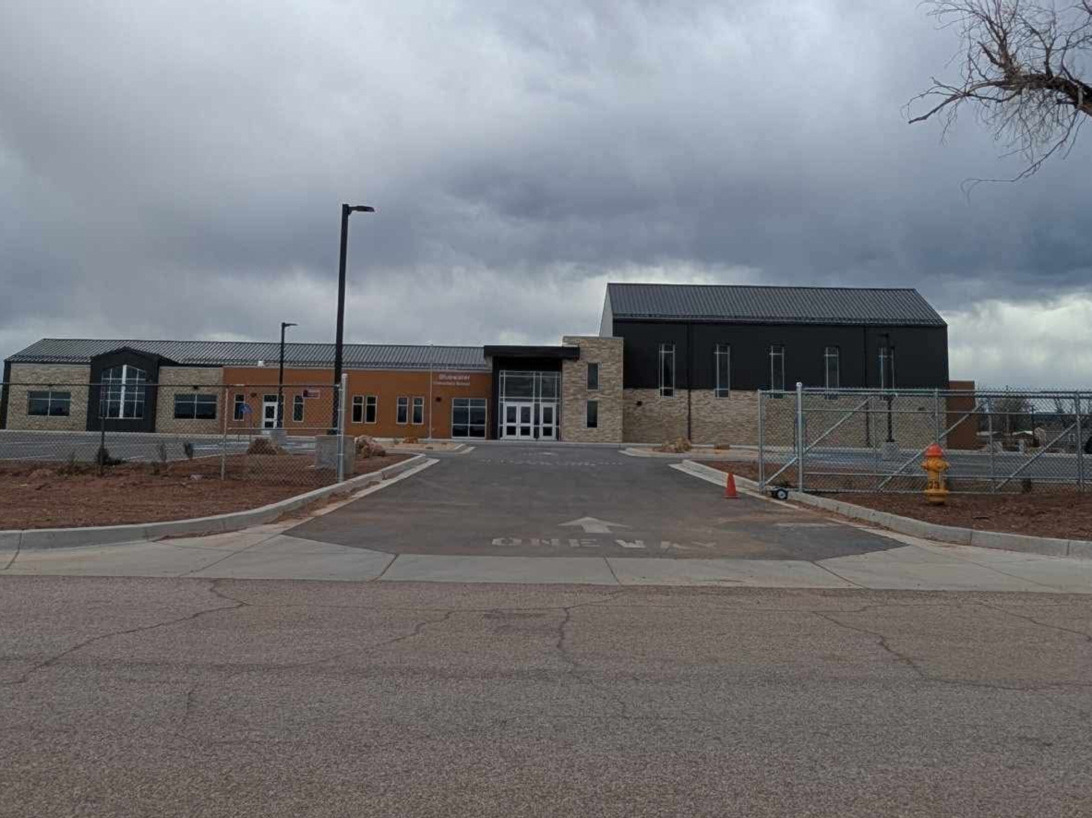
Bluewater Elementary remains a standout performer, with 80 percent of students proficient in reading. Other schools, like San Rafael Elementary and Los Alamitos Middle School, showed growth rates even if overall proficiency remains below grade level.
District officials emphasize that the gains have not been accidental.
Strategic investments in curriculum alignment, more consistent intervention practices, and a renewed focus on early literacy and career-technical education (including a new $500,000 mechatronics lab at Laguna-Acoma High School) have helped move the needle.
A Persistent Equity Crisis
While many students are progressing, not all are advancing equally.
Midyear and end-of-year testing revealed persistent and serious achievement gaps based on tribal affiliation. American Indian students posted lower proficiency rates in every major subject when compared to their peers. For example, American Indian students in grades 3–8 had a midyear reading proficiency of just 20.85 percent, compared to 39.74 percent for Caucasian students.
Superintendent Widner and district leadership have pledged to address these gaps through culturally responsive teaching, stronger partnerships with tribal communities, and expanded academic supports.
Widner’s new contract calls specifically for the superintendent to maintain good relationships with tribal organizations and government agencies—a signal that community collaboration will be critical moving forward.
Under the new agreement, he will continue leading efforts to align curriculum, manage district resources fairly, and support professional development for teachers.
His responsibilities also include preparing annual budgets, reviewing Board of Education policies, and tracking strategic progress toward district goals. Widner’s $153,000 salary represents a four percent increase from his previous contract—a modest investment, district leaders argue, in stable leadership during a time of transition that also aligns with the raise given to regular staff as a result of new legislation from Santa Fe.
The district is expected to work closely with Widner in the coming year to strengthen strategic plans, track key performance indicators, and build on the slight but meaningful growth achieved this
year.
Reflection and Renewal
Students are preparing for graduation ceremonies – May 16 at GHS and May 17 at LAHS.
Grants-Cibola County Schools can claim real progress—but also real unfinished business.
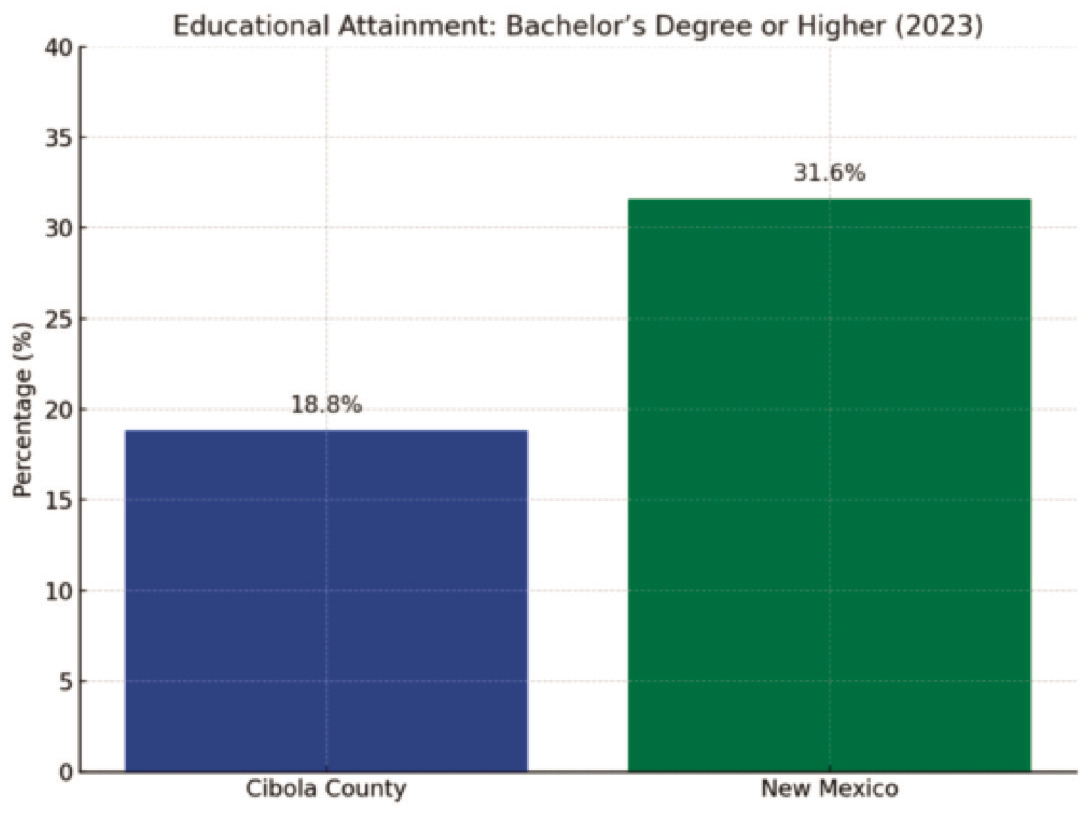
District-wide, 18.8 percent of adults in Cibola County hold a bachelor’s degree or higher, compared to 31.6 percent statewide. Educational attainment remains a core economic issue for the region, influencing not just workforce development but the future prosperity of the community itself.
School enrollment remains strong, with 75.3 percent of enrolled students in kindergarten through twelfth grade, surpassing the statewide average. That figure reflects a younger, growing population whose futures depend on the district’s ability to deliver a stronger educational foundation.
The path ahead is not easy. Yet it is clear.
Cibola’s students, teachers, and leaders have started a climb that will require persistence, innovation, and above all, collaboration. As Dr. Delton Martin, Director of Educator Success for GCCS, said of this year's progress: 'It’s about taking small, deliberate steps forward and building on the progress we’ve already made.'