

My memories of beets go back to my childhood. I grew up in the Platte River Valley that runs through Nebraska. It was great sandy soil for a vegetable garden and we had an acre of sweet corn and other vegetables that provided much of the food we ate. My first memories of beets were that they tasted like dirt, yuck! My next memory is when my daughter was one year old and I took her to the doctor because she had red “pee”. There was relief that it wasn’t blood, but also embarrassment that I didn’t know home grown beets turned urine red. My third memory is growing beets that were so sweet and buttery, I didn’t care if I peed red. They were the best!
Over the years, whenever I put in a garden, there was always a place for a row of beets. I have never been able to predict whether my crop that year will be one that will be great or a complete disaster. Two years ago, I planted my beets like I usually do with radishes and carrots close by. My carrots and radishes were great but the beets were all small, hard, and tasteless.
Last spring, I moved my root crops about 30 feet and grew the best tasting beets ever. In New Mexico it always comes down to water. I don’t remember the weather details from two years ago but every year we deal with periods of intense sun and heat. Even though I have a drip system, I might have let plants get dry.
MY RECOMMENDATIONS Planting. Beets can withstand light frosts but not heavy freezes. You can plant seeds directly into the ground three to four weeks before last frost is expected. Beets can grow well in partial shade and may benefit from shade from our intense afternoon sun. Four to 6 hours of sun is enough for them. Prepare your ground by tilling the soil and adding compost or manure a couple of weeks before planting. Water well. If it is time to plant and you haven’t prepared the soil, skip the manure. Remove rocks, twigs, and other things that will prevent root growth and produce odd shaped beets.
Spacing is a big thing. Beet seeds produce more than one beet because they are actually a seedball. You must remove all but one plant that comes up to get a nice round beet. Beets can be started in pots and planted in the ground after they are 1-2” tall but the roots are delicate and it is easier pulling up the extra plants in the garden. Space the seeds 2” apart. If your garden rows are 3 foot wide, plant two rows of beets. Cover seeds with ½” of soil. Expect germination in 1-2 weeks. Thin the extra beets that come up in the same space to one strong plant. As the beet tops get larger, thin plants and eat the tops so there is 3” between each beet. Full grown beets are picked when 3 to 5 inches in diameter.
Water is the other big need of beets. When temperatures exceed 85 degrees, beets will not develop without adequate water. Water requirements depend on soil type. In our dry hot days of summer, you want to keep growing beets from being water stressed. Drooping leaves means plants are stressed. Hot weather and water stress cause woody beets. Small, dry, hard beets are most likely to occur in alkaline, sandy soils after prolonged hot, dry periods. This is exactly what happened in my garden.
There are a few other pieces of information that are useful in growing beets:
• A good balanced fertilizer. Unless you want more beet greens, go light on the nitrogen. More phosphate (bone meal) will produce larger roots.
• Weeding by hand. Beets do not compete well with weeds and if you use a hoe, you may damage roots. Mulch is always good.
• Rotate crops. Rotation discourages fungus and other diseases.
• Container gardening. Beets are ideal candidates for growing in containers and raised beds. The container should be at least 6” deep. Containers dry out faster than plants in the ground so water more frequently.
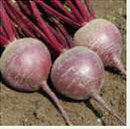
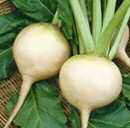
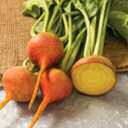
• Beets are typically red but if the staining of “everything” keeps you from growing them, try golden or white beets. They have the same sweet flavor as the red beet and are especially great when blended in a smoothy without the red mess to clean up.
It’s time to plant. If you want those golden or white beets, check the internet. Johnny’s Seeds are the gold standard for quality and variety.
Edith Iwan is a Cibola-McKinley County Master Gardener who lives and works in Thoreau. As a Master Gardener she assists the County Cooperative Extension Service in providing accurate, research- based gardening information to county residents. If you have any gardening questions, please call the NMSU Cibola County Extension at 505287-9266 or NMSU McKinley County Extension at 505-863-3432