
GRANTS, N.M. – The Iran war remains in a dangerous and uncertain phase, with U.S. strikes paused, diplomacy again underway, and Iranian-backed forces continuing attacks that could widen the conflict across the Middle East.
According to the Institute for the Study of War and the Critical Threats Project, Iran is using regional partners and proxies to keep pressure on the United States and its allies while avoiding some direct responsibility for attacks. That pressure is still tied to the central issue that has shaped the war for months: control over the Strait of Hormuz.
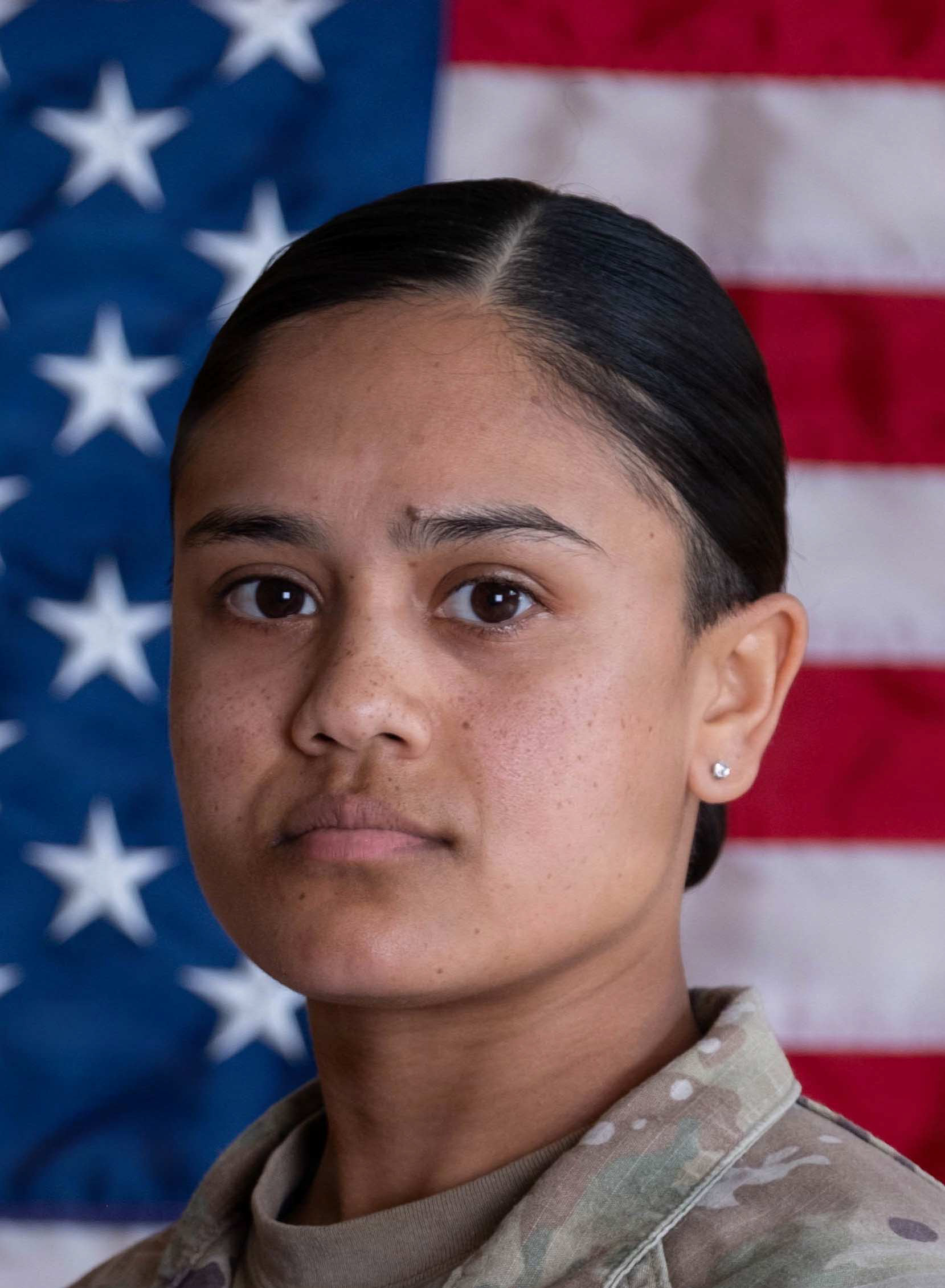
U.S. Service Member Identified U.S. Central Command identified Sgt. Angel S. Rampersad, 28, of Ozone Park, New York, as the soldier previously reported missing after the July 17 Iranian attack at Muwaffaq Salti Air Base in Jordan.
CENTCOM said Rampersad is now believed to have been killed in action. He was assigned to 1st Battalion, 57th Air Defense Artillery Regiment, 52nd Air Defense Artillery Brigade, 10th Army Air & Missile Defense Command, Ansbach, Germany.
His identification adds to the growing human cost of a conflict that has placed U.S. service members under repeated attack across the region.
Iran’s Pressure Campaign Continues According to ISW-CTP, recent attacks on regional states by Iran’s proxies and partners allow Iran to maintain plausible deniability while continuing to pursue its war aims.
ISW-CTP assessed that those aims include coercing the United States to end the war on terms favorable to Iran, including acceptance of Iranian control over the Strait of Hormuz.
Saudi Arabia and Jordan both reported hostile drone attacks July 27. According to ISW-CTP, Saudi Arabia confirmed Iranian-backed Iraqi militias conducted attacks on Saudi territory, while the Houthis also claimed attacks on Saudi infrastructure. Jordan reported that its air defenses shot down two drones.
ISW-CTP reported that the Islamic Revolutionary Guards Corps and Iran’s regular military did not claim those attacks. A senior Iranian official told Reuters that Iran would halt its attacks if the United States stopped striking Iran, and ISW-CTP noted that the United States had not conducted attacks on Iran since July 24 at the time of the update.
Saudi Oil Infrastructure Becomes Target
According to ISW-CTP, recent strikes on Saudi Arabia also support Iran’s effort to pressure Gulf states into accepting Iranian control over the Strait of Hormuz by disrupting efforts to bypass the strait.
Saudi Arabia has increasingly relied on the East-West pipeline and Yanbu on the Red Sea coast to export oil as the Strait of Hormuz has become more dangerous. ISW-CTP reported that Houthi military spokesperson Yahya Sarea said the Houthis launched drones targeting Saudi infrastructure vital to moving oil from eastern Saudi oilfields to Red Sea export hubs.
CBS News also reported Tuesday that the Houthis said they fired ballistic missiles at the Saudi-flagged tanker NCC Ghazal in the Red Sea after the vessel allegedly ignored warnings. The Houthis said the tanker turned around and retreated. According to CBS News, the Houthis have said the Red Sea remains open to non-Saudi ships, but traffic through the Bab el-Mandeb has fallen significantly from pre-threat levels.
Talks Over the Strait of Hormuz
The Strait of Hormuz remains the central issue in the war.
According to Al Jazeera, Oman has presented a proposal to Iran for joint management of the strait with “voluntary fees” that would prevent Tehran from exercising sole control over the waterway. CBS News reported that Iran’s ambassador to Russia said Iran and Oman are discussing future fees, security arrangements and maritime rules governing passage through the strait.
President Donald Trump said Washington is having “very friendly talks” with Tehran, according to Al Jazeera, but also suggested he is not prepared for prolonged negotiations. CBS News reported that Trump said there had been “very good talks” with Iran, but he again warned that if a deal is not reached, the United States would “finish the job.”
Iran’s military responded by saying it “will not leave any threats unanswered,” according to CBS News. Iran’s Khatam al-Anbiya central military command said U.S. threats against Iranian vessels and commercial ships in Iranian coastal and territorial waters would be considered an expansion of the war.
Nuclear Pressure Remains
The nuclear issue remains part of the larger diplomatic pressure.
CBS News reported that Trump again threatened to strike Iran’s Pickaxe Mountain facility if a deal is not reached. Trump said the United States would “take it out very easily” if negotiations fail. According to CBS News, Trump said he knows “exactly” what is happening at the site and argued that Iran “will never have a nuclear weapon.”
U.S. and Israeli officials told the Wall Street Journal that Iran moved thousands of uranium-enrichment centrifuges to Mount Kolang in Esfahan Province after the June 2025 Israel-Iran War. An Israeli source told CNN that Iran also moved part of its highly enriched uranium stockpile to the site.
ISW-CTP reported that U.S. and Israeli strikes during the June 2025 war damaged or destroyed thousands of centrifuges at Iran’s principal underground enrichment facilities, including Fordow, Natanz and the Esfahan Nuclear Technology Center. ISW-CTP also reported that commercial satellite imagery indicates Iran has conducted activity at Mount Kolang since the war, including efforts to harden the facility against future strikes.
Lebanon Remains Tied to the Iran War
Lebanon remains a connected front because Iran and Hezbollah have repeatedly tied any broader settlement to Israel’s withdrawal from southern Lebanon.
According to ISW-CTP, Iranian Supreme Leader Mojtaba Khamenei reaffirmed July 26 that Hezbollah’s preservation and Israel’s capitulation in Lebanon are part of Iran’s “strategic policy” and a prerequisite for resolving Iran’s war with the United States. ISW-CTP reported that Mojtaba called for a complete Israeli withdrawal from Lebanese territory and an end to military activity against Hezbollah.
At the same time, the Lebanese government is trying to curb Hezbollah’s ability to move weapons and money. According to ISWCTP, Lebanese and Saudi media reported that Lebanon has installed new scanners and security protocols at Beirut Port, Rafic Hariri International Airport and the Masnaa border crossing with Syria. The Lebanese Armed Forces are also reportedly working to close land-based smuggling routes and tunnels in northeastern Lebanon.
The situation remains delicate. According to CBS and AFP, U.N. peacekeepers found about 4.4 tons of explosive material, mostly ammonium nitrate compounds, in a southern Lebanon border village under Israeli occupation. UNIFIL said specialists rendered the material inert and removed the risk it posed.
Iraq and Militia Disarmament
Iraq also remains a key front in the wider regional struggle.
According to ISW-CTP, an unidentified Iranianbacked Popular Mobilization Forces brigade commander told anti-regime media that PMF fighters had deployed to Iran in preparation for a possible U.S. ground assault. ISW-CTP said it had not observed additional indicators of PMF activity in Iran at the time of writing.
ISW-CTP also reported that Iraq is looking for alternate oil export routes as Iran seeks control over traffic in the Strait of Hormuz. Iraqi Prime Minister Ali al Zaydi discussed Iraqi fuel exports to Lebanon and restarting the Kirkuk-Tripoli oil pipeline, and Iraqi officials are also expected to discuss routes through Turkey and Saudi Arabia. Those efforts would reduce reliance on Hormuz by connecting Iraq and regional partners to the Mediterranean Sea and Red Sea.
According to ISW-CTP, unidentified actors in Iran reportedly prevented Zaydi from discussing disarmament of Iranian-backed Iraqi militias during his July 23 visit to Tehran. ISW-CTP assessed that recent militia attacks on regional states show why Iran values those groups and opposes their disarmament.
In Remembrance
U.S. Central Command has identified Sgt. Angel S. Rampersad, 28, of Ozone Park, New York, as the soldier previously reported missing and now believed to have been killed in action July 17, 2026, during an Iranian attack at Muwaffaq Salti Air Base in Jordan.
Sgt. Rampersad was assigned to 1st Battalion, 57th Air Defense Artillery Regiment, 52nd Air Defense Artillery Brigade, 10th Army Air & Missile Defense Command, Ansbach, Germany.
The following 17 U.S. service members have been publicly identified as having died in service to our nation during the current conflict. The Cibola County community honors their sacrifice and holds their loved ones, friends, and fellow service members in our thoughts.
Port of Shuaiba, Kuwait — March 1, 2026
Maj. Jeffrey O’Brien Capt. Cody Khork Chief Warrant Officer 3 Robert Marzan Master Sgt. Nicole Amor Sgt. 1st Class Noah Tietjens Sgt. Declan Coady
Prince Sultan Air Base, Saudi Arabia — March 1, 2026
Sgt. Benjamin N. Pennington
Died March 8, 2026, of wounds sustained in the attack.
Western Iraq — March 12, 2026
Maj. John A. Klinner Capt. Ariana G. Savino Tech. Sgt. Ashley B. Pruitt Capt. Seth R. Koval Capt. Curtis J. Angst Tech. Sgt. Tyler H. Simmons
Muwaffaq Salti Air Base, Jordan — July 17, 2026
1st Lt. Tyler James Feehan Pvt. Isabella Gonzales
Erbil Air Base, Iraq — July 19, 2026 Sgt. Michael Emmanuel Swinton