
ALBUQUERQUE, N.M. – A fossil discovered in northwest New Mexico more than 20 years ago has helped scientists identify a new species of bird-like dinosaur that lived in the state about 73 million years ago.
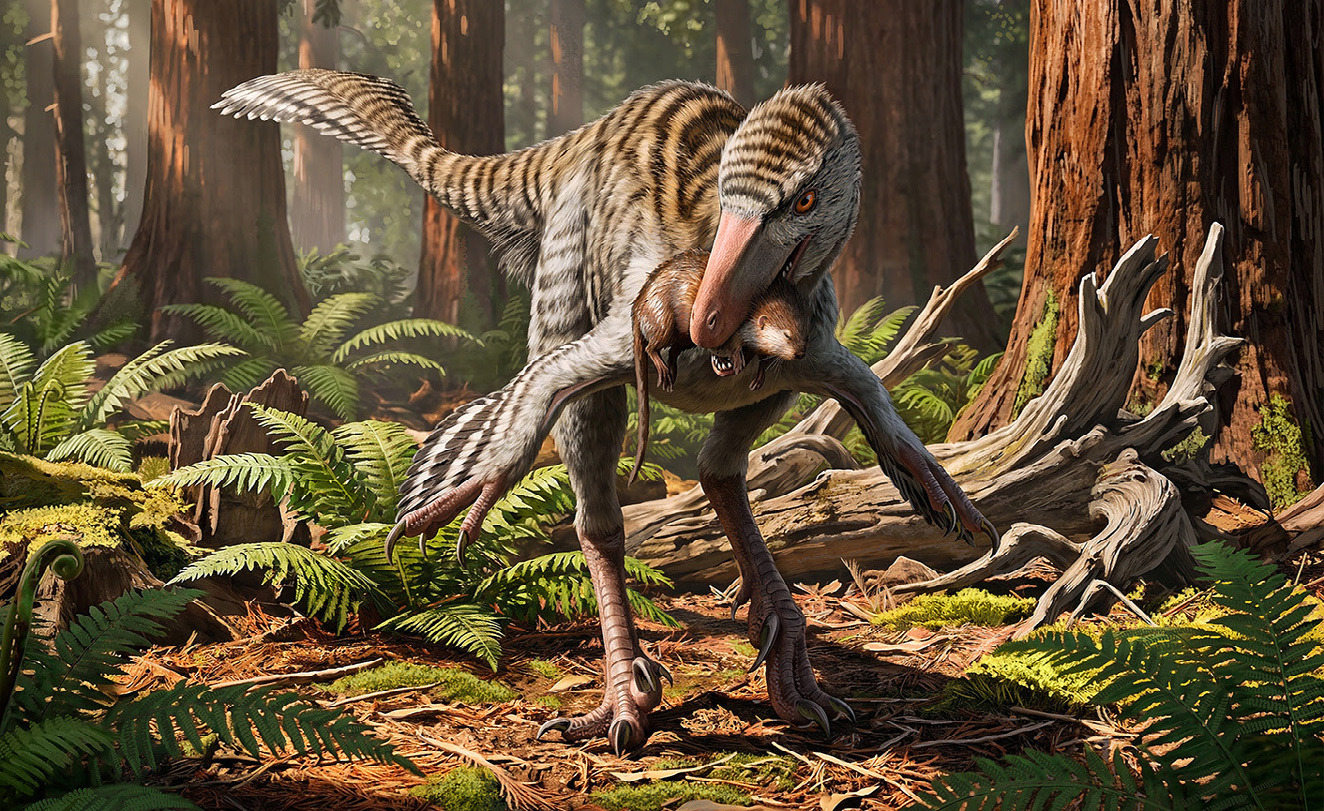
Researchers with the New Mexico Museum of Natural History & Science identified the dinosaur as Dinevenator robustus, a member of the troodontid family – two-legged, bird-like dinosaurs known for having relatively large brains.
Scientists estimate Dinevenator measured about 8 to 10 feet long and weighed between 150 and 300 pounds, making it one of the larger known troodontids. It lived on a subtropical floodplain alongside duck-billed dinosaurs, ankylosaurs, horned dinosaurs, dromaeosaurids and giant tyrannosaurs.
The fossil at the center of the discovery is part of a skull unearthed in 2005 from the De-na-zin Member of the Kirtland Formation in the San Juan Basin. It was initially believed to belong to a dinosaur related to Velociraptor before researchers determined it came from a troodontid.
Only a single frontal bone from the top of the skull is currently known, but researchers found it was unusually thick and contained features distinguishing it from related dinosaurs.
Museum officials said the discovery adds another dinosaur species to New Mexico’s fossil record and provides scientists with a better understanding of dinosaur diversity during the Late Cretaceous.