
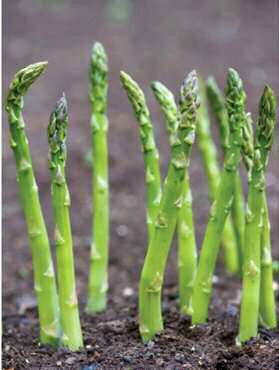
When I bought my home in Thoreau, one of the first things I looked for was a place to put an asparagus bed. Asparagus is one of the earliest harvested vegetables each spring. The spears are crisp, tender, and essential to an asparagus lover!
I didn’t grow up eating asparagus. When I moved away from home, I tried the canned variety, which does not even resemble the taste and texture of fresh asparagus. When I lived in Nebraska, I had a friend who lived in an old farmhouse. There was an orchard that had asparagus planted under the trees. We had asparagus every week for two months and I was hooked! I steamed or boiled it (only for a few minutes) and served it with butter, Bearnaise, or cheese sauce. Now I grill a lot of the asparagus for a healthier diet.
Asparagus is for the long run. You plant asparagus in the spring and begin harvest two years after planting crowns and three years after planting seeds. The first year of harvest is only to pick the largest spears for three weeks. After that first year, you can pick asparagus for two months (as long as the spears are as wide as a pencil). Most plant guides say a plant can live for 15 years but most beds will last a lot longer.
Asparagus grows well in New Mexico. It does not mind soil and water being alkaline. It grows best with lots of sun, warm days, cool nights, low humidity, and is drought and salt tolerant. Everything New Mexico has “in spades”!
Almost all of our vegetables are planted, grow to maturity, and eaten the same summer. Asparagus is called a perennial because it continues to grow for years. The edible parts of the plant are called spears. The spears emerge from buds at the top of the root system called a crown. The root system is extensive and spreads up to ten feet deep and wide. Spears are the stems of the summer plant which looks like a fern. The fern can also get large, six feet tall and three feet wide. Keep that in mind when you search for an asparagus bed site.
Asparagus can only be harvested for two months in summer because the plant needs to build up energy to survive the winter and produce the crop for next year. The fern creates energy that will be stored in the roots to produce the following year’s spears. It is important to take care of the ferns even after the harvest is over to make sure you will have good future harvests. This is by doing three things: fertilize, water, and weeding. One year I had a worse than usual grasshopper invasion. They chewed all the ferns until they were dead. I was afraid they would not come up the next year. Needless to say, I did not have a good crop of asparagus the next year.
LOCATION – Choose a sunny site. A fertile soil that holds moisture is an asset. On lava or bedrock, look for areas that have the most soil. You can always add more soil. Asparagus will rot if drainage is not good, so be sure water does not sit for prolonged periods after rain. If you have an existing garden, place the asparagus at the north end of the garden so the tall ferns don’t shade the other crops. Avoid sites with established perennial weeds, particularly bindweed and nutsedge. You cannot just dig them out or pull them. They Will Return! Late spring frosts can kill emerging spears. Find an area that is not low-lying or exposed to frost. My plot is protected by wood fences but every year I have to save my early spears from freezing with buckets or protective cloth.
Because asparagus will produce for so many years, it is important to consider where you place them and how to prepare the planting bed. If you have never had your soil tested, this is a good time to do it. You can get information from the internet or from your county extension office which is listed at the bottom of this article.
Next week I will give additional information on how to prepare the site for your asparagus, plant your roots, take care of them from year to year, and prepare them to eat.
Edith Iwan is a Cibola-McKinley County Master Gardener who lives and works in Thoreau. As a Master Gardener she assists the County Cooperative Extension Service in providing accurate, research-based gardening information to county residents. If you have any gardening questions, please call the NMSU Cibola County Extension at 505-287-9266 or NMSU McKinley County Extension at 505-863-3432