

GRANTS, N.M. – The Iran war has entered one of its most dangerous phases since the collapse of the ceasefire, with the conflict now threatening to spread beyond the Strait of Hormuz and into the Red Sea.
According to the Institute for the Study of War and the Critical Threats Project, Iran is trying to expand the geographic scope of its conflict with the United States by using the Houthis in Yemen to threaten shipping through the Red Sea and Bab al Mandeb Strait. The shift comes as U.S. forces continue striking Iranian military targets and Iran continues attacking shipping routes, U.S. regional bases and U.S.-aligned countries.
The main point for readers is this: the war is no longer only about whether the Strait of Hormuz stays open. That remains the center of the conflict, but the danger is now spreading through several connected fronts — Red Sea shipping, Gulf energy infrastructure, U.S. bases in the region, Iraq, Jordan and Lebanon.
Shipping Threats According to ISW-CTP, the Houthis announced a naval blockade against Saudi Arabia on July 20 and ordered Saudi-bound vessels to turn back by radio. ISWCTP reported that it had not recorded Houthi attacks on shipping since July 7, 2025, as of the update’s writing, but warned that the blockade announcement itself could increase shipping costs by discouraging vessels from using the Red Sea.
According to ISW-CTP, Iran asked the Houthis to prepare to attack Red Sea shipping if the United States expands its strikes to Iranian energy infrastructure. The Red Sea threat would open another major shipping crisis alongside the Strait of Hormuz.
The Bab al Mandeb Strait, near Yemen, is a key route between the Red Sea and the Gulf of Aden. According to ISW-CTP, Saudi Arabia has increasingly relied on that route to export oil to Asian markets as the Strait of Hormuz has become more dangerous.
The Strait of Hormuz remains the core flashpoint. According to ISW-CTP, Iran continues using force to push commercial vessels into Iranian territorial waters and prevent them from using routes Tehran does not approve.
ISW-CTP reported that unidentified projectiles struck a Malta-flagged tanker and a Liberianflagged tanker attempting to use the U.S.-facilitated route through the strait on July 19. The Malta-flagged vessel was struck north of Kumzar, Oman, and the crew was forced to abandon ship.
According to ISW-CTP, Iran also almost certainly conducted another attack on a vessel east of Dibba, United Arab Emirates, on July 20. ISW-CTP reported that the IRGC described the earlier tanker attacks as “explosions” and said the vessels were attempting to use a “dangerous” route. ISW-CTP’s assessment remains direct: Iran continues to be the only “danger” in the strait for merchant shipping.
U.S. Strikes Expand Inside Iran
The United States has continued expanding strikes against Iranian military targets. According to ISWCTP, U.S. forces struck possible missile launch sites in northwestern and central Iran on July 19 and 20, including reported strikes in Urmia, Tabriz and the Khojir Military Complex in Tehran Province.
ISW-CTP described Khojir as one of Iran’s key research, development and manufacturing facilities for solid- and liquid-fuel missiles.
According to ISW-CTP, those strikes followed earlier U.S. strikes on Iranian bridges, roads and military logistics infrastructure around Bandar Abbas, a major port city on the Strait of Hormuz that hosts key Iranian naval facilities. ISWCTP reported that Bandar Abbas is critical for moving military supplies, fuel, personnel and commercial cargo between Iran’s interior and its southern coast.
Iran Strikes U.S. Bases and Regional Partners
Iran has continued firing drones and missiles at U.S. regional bases and U.S.aligned countries in response to U.S. strikes.
According to ISW-CTP, Kuwait and Bahrain intercepted Iranian drone and missile attacks after the latest data cutoff on July 19. Bahrain also reported that Iran conducted a drone attack targeting civil navigation systems, though officials said flight operations were not affected.
According to ISW-CTP, Iran has also expanded attacks in Jordan. The IRGC released a statement thanking the Jordanian people for allegedly providing information that aided Iranian attacks on Jordan, including information on U.S. military equipment at Aqaba airport.
ISW-CTP reported that Iran launched four missiles at Aqaba on July 19. Jordanian air defenses intercepted three, while the fourth fell in an open area.
Pressure Inside Iran
Inside Iran, according to ISW-CTP, some senior officials appear worried that renewed fighting will deepen Iran’s economic problems and threaten internal stability.
Iranian President Masoud Pezeshkian warned July 20 that economic pressure could generate social discontent and damage public support for the regime. ISW-CTP reported that Pezeshkian described the economy and people’s livelihoods as Iran’s “main battlefield.”
According to ISW-CTP, those concerns follow the collapse of the U.S.-Iran memorandum of understanding, which had promised economic relief, including the lifting of the U.S. naval blockade, sanctions relief and access to frozen assets. ISW-CTP reported that the United States did not unfreeze Iranian assets and has since restored the blockade and revoked a sanctions waiver.
China and Russia Questions Continue
According to ISW-CTP, the IRGC statement thanking Jordanians for information may have been intended to counter reports that Russia and China have helped Iran target U.S. assets in the region.
ISW-CTP reported that U.S. officials are concerned Russia and the People’s Republic of China are supporting Iranian targeting of U.S. assets. According to ISWCTP, earlier reporting said Iran used an advanced reconnaissance satellite purchased from China in 2024 to target U.S. military assets and bases across the Middle East earlier this year. ISWCTP also cited earlier reporting that Russia provided Iran with locations of U.S. military assets, including warships and aircraft, during the conflict.
The Wider Middle East Impacted
Lebanon remains a separate but connected front.
According to ISW-CTP, Israeli and Lebanese forces are preparing for Israel to begin withdrawing from one of the “pilot zones” in southern Lebanon under the June 26 Trilateral Framework Agreement. ISW-CTP reported that the expected withdrawal from Zawtar el Gharbiyeh would mark the first Israeli withdrawal in southern Lebanon under that agreement.
The plan calls for Lebanese Armed Forces to secure those areas and disarm local armed groups after Israeli forces withdraw.
According to ISW-CTP, Lebanese President Joseph Aoun’s visit to Washington comes as Israel and Lebanon work with U.S. officials on implementing the pilot-zone plan. That effort remains sensitive because Hezbollah has rejected voluntary disarmament and because Iran continues to treat Hezbollah as a central part of its regional deterrence.
In Iraq, according to ISW-CTP, Prime Minister Ali al Zaydi is expected to ask Iran to pressure Iranianbacked Iraqi militias to surrender Iranian-provided missiles to the Iraqi federal government during a July 23 visit to Tehran.
ISW-CTP assessed that Iran is unlikely to agree, noting that Iran has warned its Iraqi militia partners to resist disarmament. According to ISW-CTP, the Iranianbacked Islamic Resistance in Iraq also threatened July 19 to target U.S. bases and interests in the region if the United States expands its strike campaign against Iran.
The collapse of the ceasefire has moved diplomacy into the background.
The immediate reality is now being shaped by strikes, shipping threats, pressure on regional governments and the risk of further escalation.
U.S. Service Members Killed
The human cost for U.S.
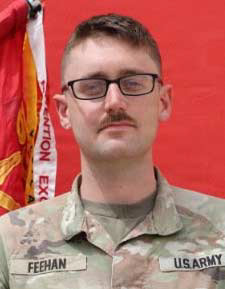
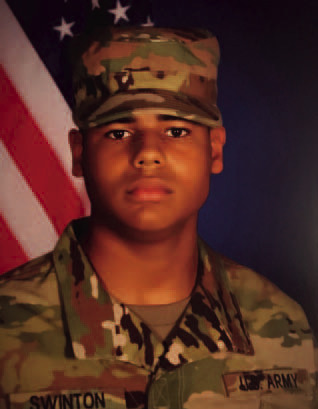
forces has grown. According to ISW-CTP, Iran struck a group of buildings at Muwaffaq al Salti Air Base in Jordan, killing at least two U.S. service members and seriously injuring four others.
ISW-CTP also reported that U.S. Central Command announced July 19 that a U.S. service member was killed in Iraqi Kurdistan during the controlled detonation of unexploded ordnance from a downed Iranian oneway attack drone.
Those deaths mark another serious escalation in a war that has already stretched across multiple countries and placed U.S. personnel under repeated attack.
In Remembrance
The following 16 U.S. service members have been publicly identified as having died in service to our nation during the current conflict. The Cibola County community honors their sacrifice and holds their loved ones, friends, and fellow service members in our thoughts.
Port of Shuaiba, Kuwait — March 1, 2026
Maj. Jeffrey O’Brien Capt. Cody Khork Chief Warrant Officer 3 Robert Marzan Master Sgt. Nicole Amor Sgt. 1st Class Noah Tietjens Sgt. Declan Coady
Prince Sultan Air Base, Saudi Arabia — March 1, 2026
Sgt. Benjamin N. Pennington Died March 8, 2026, of wounds sustained in the attack.
Western Iraq — March 12, 2026
Maj. John A. Klinner Capt. Ariana G. Savino Tech. Sgt. Ashley B. Pruitt Capt. Seth R. Koval Capt. Curtis J. Angst Tech. Sgt. Tyler H. Simmons
Muwaffaq Salti Air Base, Jordan — July 17, 2026