
The Complete Reset That Turned Our Overcrowded Shelter Around
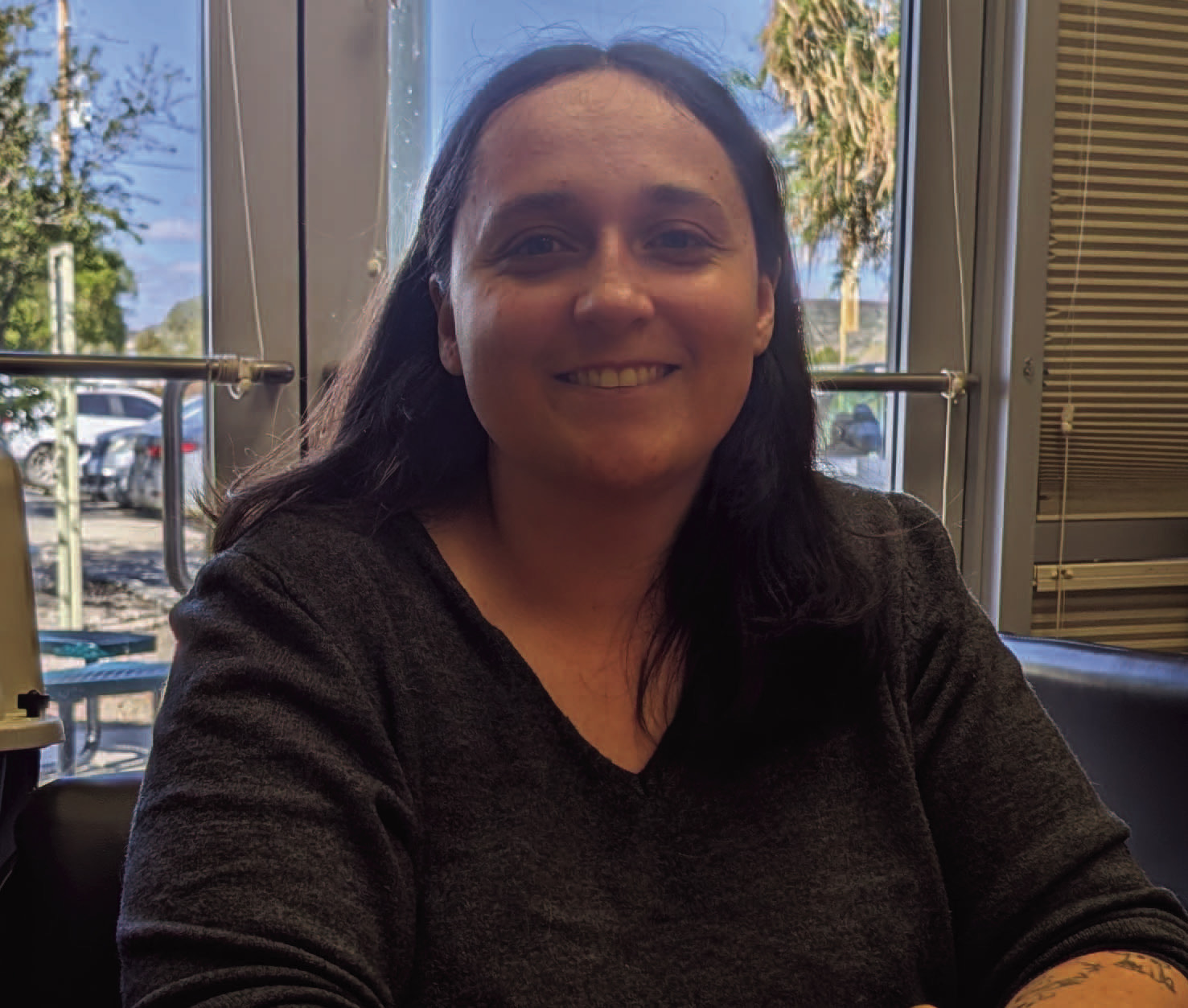
GRANTS, N.M. - When Madison Martinez became director of the Grants Animal Care Center about a year ago, the facility was facing an overcrowding crisis.
With only two full-time employees to care for an overwhelming population of over 100 animals, well over the capacity limit, the shelter lacked consistent procedures. “I wasn’t entirely aware of everything that had happened last year,” Director Madison Martinez explained. “But what I did know was that there were a lot of welfare standards that had not been properly implemented or were not being followed.”
Today, the transformation is nothing short of incredible. Walking through the front doors, the first thing visitors notice isn’t the chaotic barking or heavy odors of the past—it’s how remarkably clean and fresh it smells. Through rigorous structural overhauls, a dedicated staff, and creative community programs, the shelter has changed significantly. Martinez said, “This whole year has been a complete reset to how the shelter functions.”
Following the approval for $68,325.12 including NMGRT at the October 14 City Council Meeting, Martinez will be able to unitize these funds for muchneeded building upgrades to ensure the facility matches its new standards of excellence.
Resetting the Standards of Care
The turnaround began with a complete operational reset. Martinez prioritized day-to-day procedures to protect the health of every animal walking through the doors, starting with a new approach to intakes.
“One thing that we’ve started doing is, every time an animal comes in, we vaccinate them. It’s usually before they even enter the building,” Martinez explained.
Informal cleaning routines were replaced with strict, industry-standard sanitation protocols that account for chemical contact times. “There was never a protocol for how we clean… It was just what people have been trained to do,” Martinez noted. “So, I had to come in and tell them, ‘Hey, you know, we have to sanitize this way.’” This strict discipline was recently put to the test during a kennel cough outbreak. Because the building lacks a proper isolation ward for multiple dogs— containing only two dedicated quarantine spots—a single dog unfortunately spread the virus before showing symptoms days later.
“I can’t say enough because [the staff] told me as soon as the dog started showing any weird symptoms… the response could not have been better,” Martinez said. Staff isolated the patient and immediately worked with a veterinarian to place all exposed dogs on preventative doses of Doxycycline, getting the kennel cough situation “under control before it became a huge problem.”
They established a workplace culture where medication is administered strictly on time and finished completely, stopping all active symptoms within a week.
Rebuilding Networks Through Rescue Partnerships
By actively reaching out to regional rescues to showcase these new standards, the shelter has secured four to five new regular rescue partners this summer alone. “That’s been the biggest challenge of this year was to reach out to rescues and be like, ‘Hey, we’ve made all these changes. We have made these improvements, we would like the start working with you again.’” The facility now moves animals quickly to partners in Arizona, Utah, and across New Mexico.
The shelter successfully maintains a steady, humane daily population of just 30 to 40 dogs, and usually no more than seven cats at a time. This past July, the shelter had an entire row of kennels completely empty for two days because animals were moving so fast. In total, around 350 animals have gone to rescue this year.
Supporting the Community Through Managed Intake
To prevent overcrowding, the shelter follows a managed intake model. Martinez explained that the goal is to make the shelter the last option when people drop off their pets, without ever turning animals away for space.
Instead, the shelter supports the community by doing surrenders by appointment and offering resource information for training or behavior issues. They also work directly to “rehome” pets without them having to spend a night in the shelter.
This community-led approach ensures the facility stays firmly committed to its “capacity for care” standard, which strives to give every animal a minimum of 15 minutes of dedicated enrichment and care a day.
Staff, Volunteers, and the “Zoomi Squad”
To meet these care standards, staffing has tripled from the original two employees to four full-time workers, one part-time worker, a full-time volunteer, and several volunteers.
Martinez is launching a new volunteer program. “We’re building this to be [where[ you don’t have to physically be in the shelter to help out,” Martinez explained, noting they are designing remote tiers like a social media team.
An exciting branch of this initiative is the “Zoomi Squad,” a weekend run club created in partnership with the city recreation department. The club matches shelter dogs with community runners and walkers during local 5K events.
The Zoomi Squad will officially begin Saturday, October 24, at the city’s monthly “Walk for Her” 5K. Martinez said, “We even got the mayor—he’s going to be coming to take a dog and participate in that event, so we’re really excited.”
The shelter is hosted its very first monthly volunteer orientation October 18 at 1:00p.m. to cover basic safety training and paperwork before animals can be taken offpremises. These orientations and runs will take place every month.
Reflecting on a year of intense hurdles and massive triumphs, Martinez said, “We want more people to come in. We want more people to see. I could not be prouder of how things have gone so far.”