
Acting Gov. Morales signs $20 million weekly backstop to protect SNAP recipients as Cibola County residents brace for continued uncertainty
GRANTS, N.M. — The nation’s longest government shutdown has now stretched into its 42nd day, but relief may finally be in sight.
The U.S. Senate passed a bipartisan funding bill late Monday in a 60–40 vote, sending the measure to the House of Representatives for consideration as soon as Wednesday. If approved and signed by President Donald Trump, the legislation would reopen the government and fund most agencies through January 30.
While lawmakers debate the final deal, New Mexico has once again stepped in to protect families left vulnerable by the federal impasse.
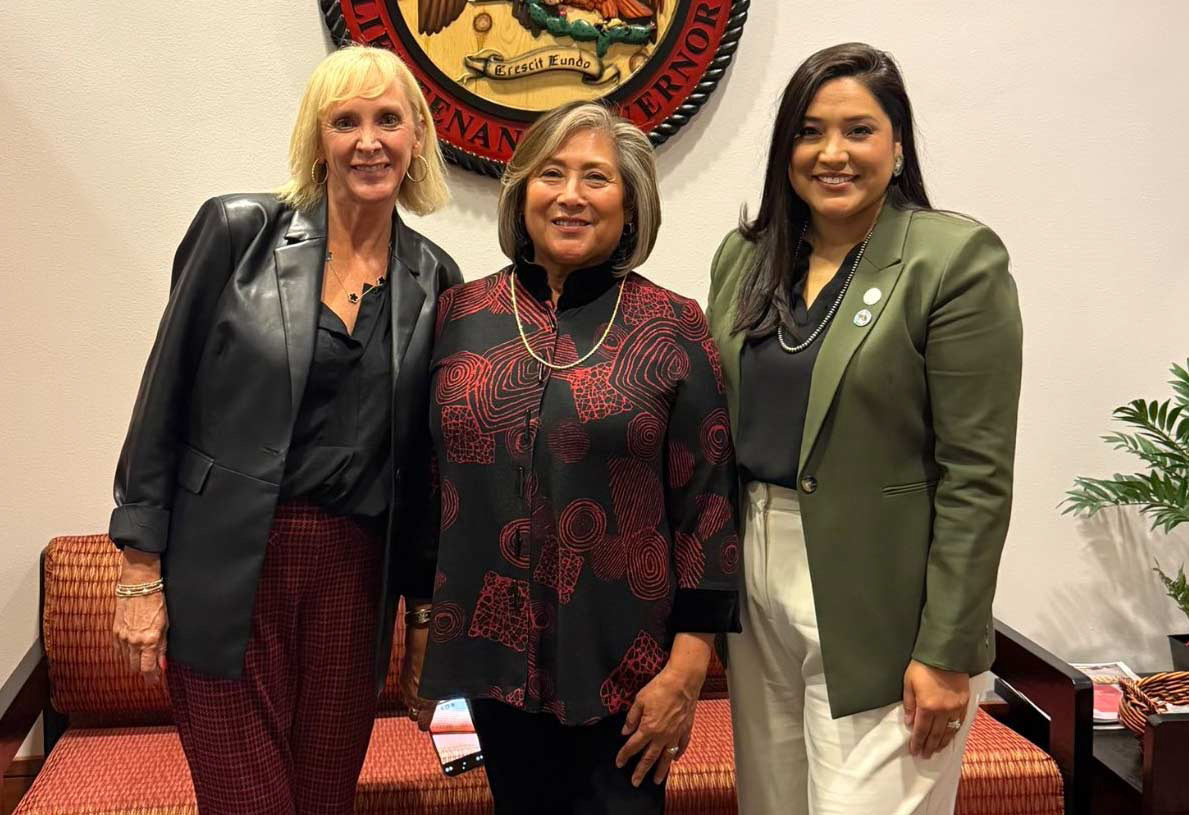
On Monday, Acting Governor Howie Morales signed House Bill 1, authorizing up to $20 million per week to ensure that Supplemental Nutrition Assistance Program (SNAP) benefits continue flowing to the roughly 460,000 New Mexicans who rely on them. The measure, passed during a one-day special session, on November 10, guarantees funding through mid-January if the federal government fails to resume payments.
Governor Michelle Lujan Grisham, currently attending the U.N. Climate Change Conference in Brazil, called the legislation a safeguard against “chaos and cruelty” from Washington.
“New Mexicans won’t go hungry while Republicans in Congress manufacture crisis after crisis,” she said in a statement.
Morales, serving as acting governor, described the bill as a promise kept. “This legislation ensures New Mexicans can feed their families this holiday season,” he said.
The state’s special session followed weeks of uncertainty over SNAP benefits. On November 8, New Mexico loaded full federal November benefits onto recipients’ EBT cards after the U.S. Department of Agriculture briefly authorized payments under a Rhode Island federal court order. Hours later, the U.S. Supreme Court stayed that ruling, and the USDA instructed states to restrict payments to partial benefits. By then, however, New Mexico families had already received their full monthly allotment.
In Cibola County, the state’s actions have provided a critical lifeline. According to the U.S. Department of Agriculture, 7,933 residents in the county rely on SNAP to purchase food.
That figure represents a substantial share of the community, where 41 percent of children live below the poverty line.
The broader economic toll has also deepened.
The White House Council of Economic Advisers estimates that New Mexico is losing $76 million per week in gross state product and roughly $439 million per month in consumer spending. About 1,074 federal employees live in Cibola County—roughly 11 percent of the local workforce— and most have now missed at least two paychecks.
At the national level, shutdown fallout has spread to the skies.
The Federal Aviation Administration ordered airlines to reduce flight schedules by six percent at major airports due to unpaid staffing shortages. Transportation Secretary Sean Duffy said air traffic controllers will miss a second full paycheck this week, though they should receive 70 percent of their back pay within 48 hours of the government reopening.
Despite the strain, state leaders expressed optimism that New Mexico’s proactive measures have prevented a hunger crisis. “Protecting full access to food assistance benefits is both a moral necessity and smart economic policy,” said Senate Majority Leader Peter Wirth, who helped guide HB 1 through the special session. “We came together to ensure these benefits will not lapse regardless of what happens in Washington.”
For now, families in Cibola County can continue using their EBT cards as normal, with full November benefits already available and state support secured through January if needed.
As of Tuesday afternoon, the federal government shutdown stood at 41 days, 13 hours, and 44 minutes. The House vote expected Wednesday could finally end the impasse — and with it, one of the most economically disruptive chapters in recent American history.