
Free developmental services bring speech, physical and occupational therapy directly to young children and families
GRANTS, N.M. – For families raising young children in rural western New Mexico, finding specialized developmental care can mean long drives, limited options and months of uncertainty.
The Therapy Academy is working to change that.
The early intervention provider, led by Executive Director Kendra Biava, now serves children and families throughout Cibola County, offering free developmental services for eligible children from birth through age 3. The organization also serves McKinley County and has grown from a small team of three providers to roughly 55 professionals.
Biava, a speech-language pathologist, said the organization grew out of her own experience trying to find care for her youngest child, who was born at 32 weeks and spent four months in a neonatal intensive care unit.
After returning to Gallup, her son needed speech, physical and occupational therapy. Finding those services meant repeatedly traveling to cities including Albuquerque, Phoenix and Denver.
“It really opened my eyes to the world of early intervention, but also the great need for our youngest within our community,” Biava said.
The Therapy Academy began serving Cibola County in July 2025 and now has providers working along the Interstate 40 corridor from areas including Bluewater through Grants and Milan, with services also beginning to extend into the Laguna area.
Its team includes speech, occupational and physical therapists; developmental specialists; nurses; social workers; family counselors; lactation consultants; and family service coordinators who help families navigate care.
What Early Intervention Looks Like Biava said early intervention can address concerns ranging from feeding and nursing difficulties in infancy to delayed crawling, sitting, standing, walking or speech.
A child does not necessarily need a serious diagnosis to benefit.
Parents may notice that a baby struggles with tummy time, has difficulty latching or feeding, experiences reflux or is not meeting developmental milestones identified during wellness visits. Children born with medical conditions may also benefit from early intervention services.
“The idea of early intervention is meant to just keep them on track and make sure that when they start school or preschool that they're on track and they're not starting with the delay,” Biava said.
Children with certain environmental risk factors may also qualify. Biava said those can include food insecurity, prenatal substance exposure or other circumstances that may put a child's development at risk.
For eligible children, services are provided at no cost when program requirements are met, including qualifying environmental risks or a developmental delay of at least 25% in an assessed area.
The Academy currently has more than 200 children actively enrolled across the communities it serves.
Bringing Therapy to Families
One of the program’s distinguishing features is that much of the care takes place where children normally live and learn rather than requiring families to travel to a clinic.
Providers can meet children at home, at day care or preschool, or in community settings. Biava said therapists can even join families during everyday routines when that is where a particular challenge occurs.
If a young child has difficulty going grocery shopping, for example, a provider can accompany the family and help parents develop strategies during the actual trip.
“We work with children within their natural environment because that's where children learn,” Biava said.
That approach is particularly important in rural communities where transportation and access to specialists can present additional barriers.
Physical therapy can begin with something as basic as helping an infant develop head control and progress through tummy time, sitting, crawling, standing and eventually walking, running and jumping.
Biava emphasized the importance of crawling because it develops coordinated movement using both sides of the body. Physical therapists can also help identify early signs of more significant developmental concerns and begin support before delays become more pronounced.
Partnership with Grants Public Library
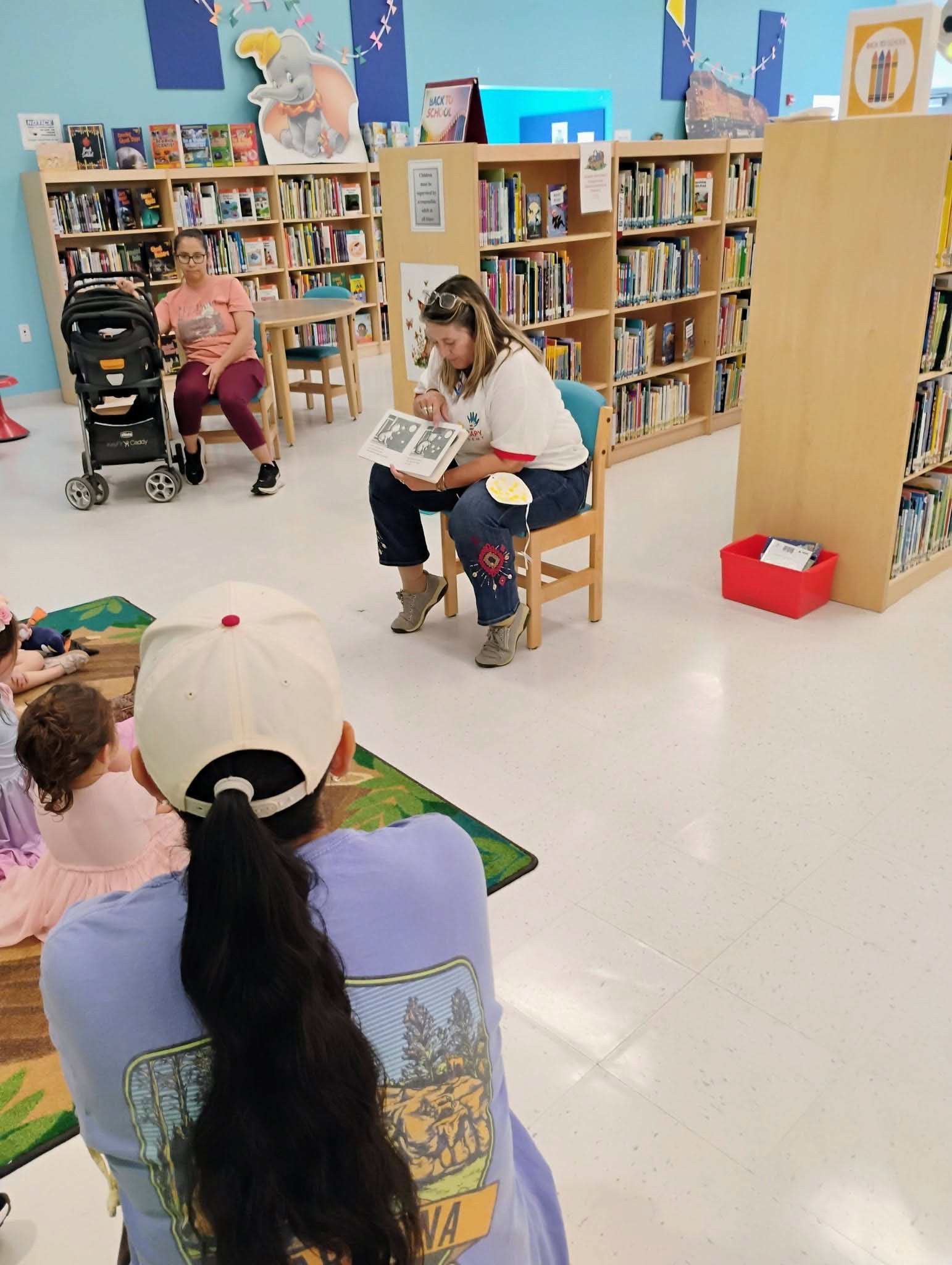
The Therapy Academy has also begun building a visible presence in Grants through a partnership with the Grants Public Library.
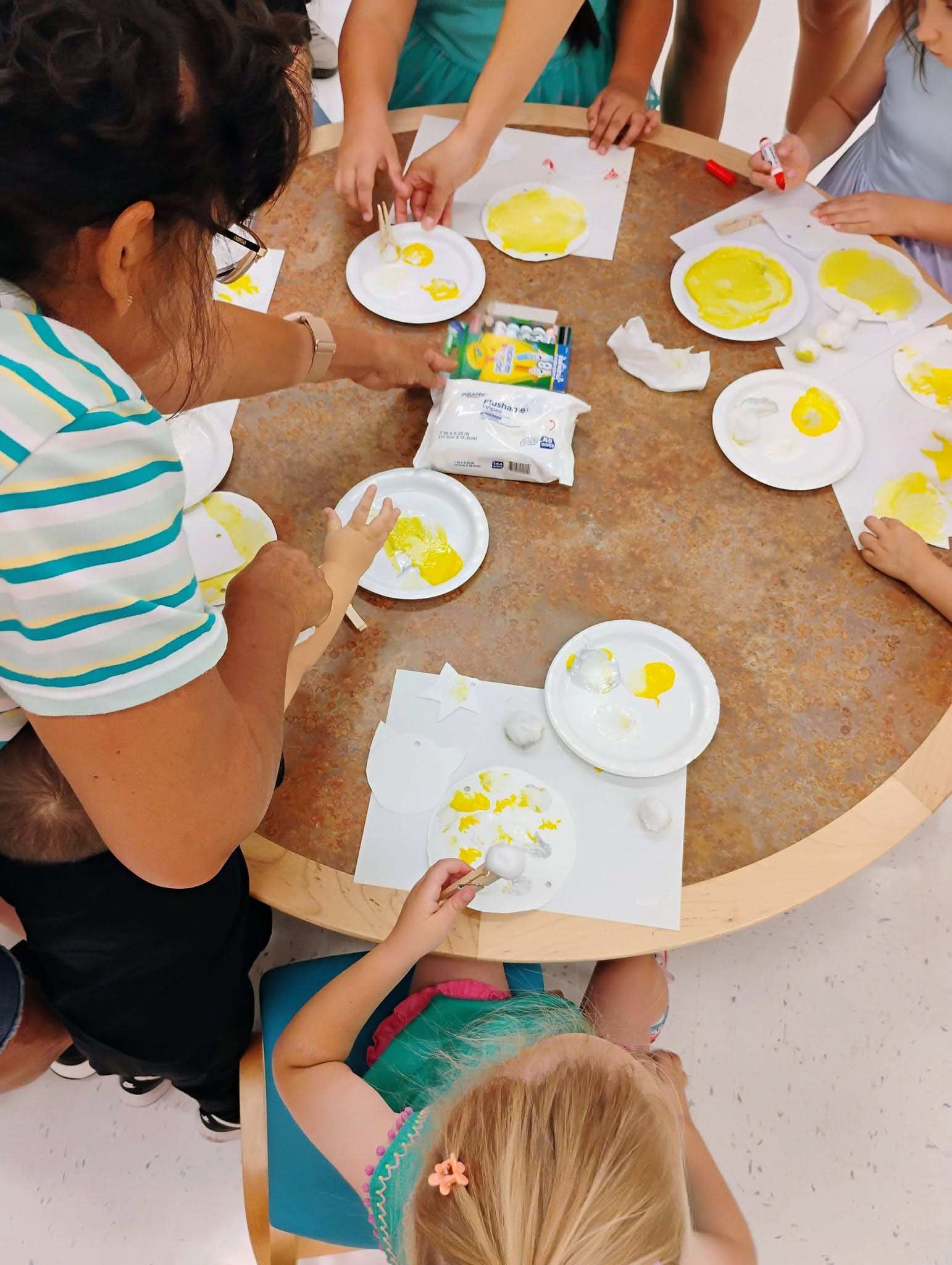
One of the programs they bring to Grants Public Library is Picasso Babies, a toddler art and sensory-play program for children and their caregivers.
Biava said the idea grew from similar programs the Academy established in McKinley County after recognizing that families with very young children often had few local recreational and developmental activities available without traveling elsewhere.
When the Academy approached the Grants Public Library about bringing Picasso Babies to Cibola County, Biava said library staff welcomed the partnership and opened the facility to the organization.
The library has also made space available for ongoing Therapy Academy sessions when families prefer meeting in a community setting.
Other Therapy Academy programs include fun physical instruction which combines short karate instruction with gross-motor activities and obstacle courses, as well as a swimming- based “Ready Set Blast” programs.
Biava said the organization hopes to expand additional activities into Cibola County.
Families can refer themselves
Biava said one of the most important things for Cibola County families to understand is that they do not have to wait for a doctor to make a referral.
Parents, grandparents and others concerned about a child's development can initiate the process themselves through the Therapy Academy.
“You don't have to wait to see your doctor or have your doctor refer us,” Biava said. “Anybody can refer.”
The organization also offers developmental screenings and can provide vision and hearing screenings for families, day care facilities and other community partners.
Biava encouraged families not to view early intervention as an indication that something is necessarily wrong with their child.
“That just means they need an extra boost so that we can get them ready for preschool,” she said.
For Biava, expanding into Cibola County also carries a personal connection. She told the Citizen that three of her four children were delivered at Cibola General Hospital.
“I've always had a place in my heart for that community,” she said. “We have professionals ready and willing to serve the community.”