
Part III
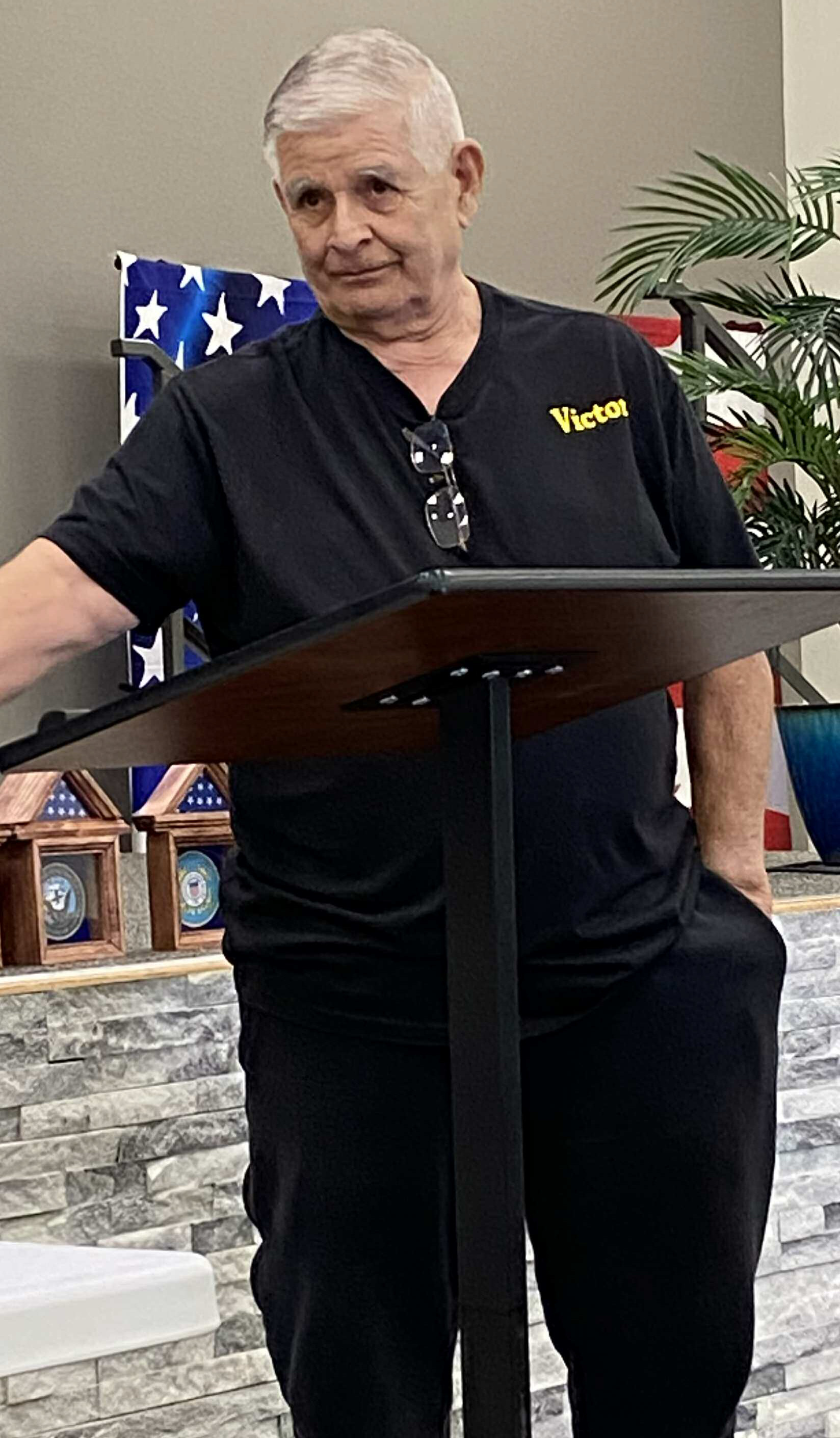
By the time Victor Vigil returned home from his military tour of Vietnam, awash in Agent Orange, the uranium mines and mills looked pretty good. He started out at Haystack Mountain near Prewitt, N.M., mucking muck in a decline mine where the more he mucked, the more money he made.
Vigil, a post-1971 uranium miner and miller who is ineligible to receive benefits from the Radiation Exposure Compensation Act, graduated to the crusher and yellowcake sections of the Kerr-McGee uranium mill in Ambrosia Lake, where fine dust particles collected into inches-deep piles on the I-beams overhead.
As the sun appears ready to set June 7 on the 1990 law commonly known as “RECA,” Vigil wonders if he ever will see compensation for radiation-related injuries.
Lung cancer is now his shadow.
Millers were exposed to uranium dust and thorium 230, both of which may have chemical or radiological toxicity, as well as additional chemicals used in the extraction process, the Advisory Committee on Human Radiation Experiments stated in a 1995 report.
“They would give us those little tiny paper masks, which are worthless,” Vigil said. “The mask doesn’t stop uranium dust. It doesn’t stop anything. You were constantly breathing it in.”
All in a day’s work
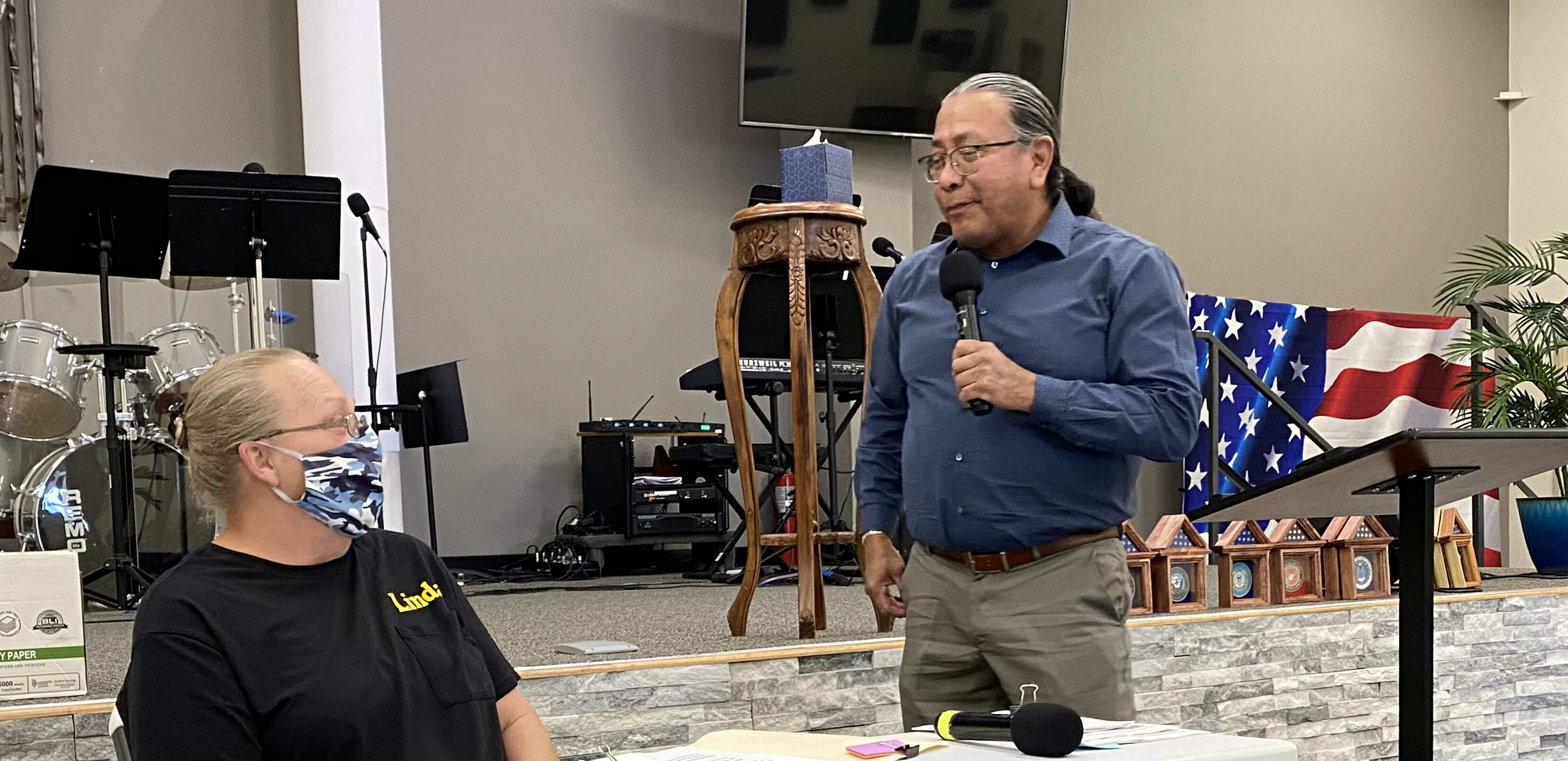
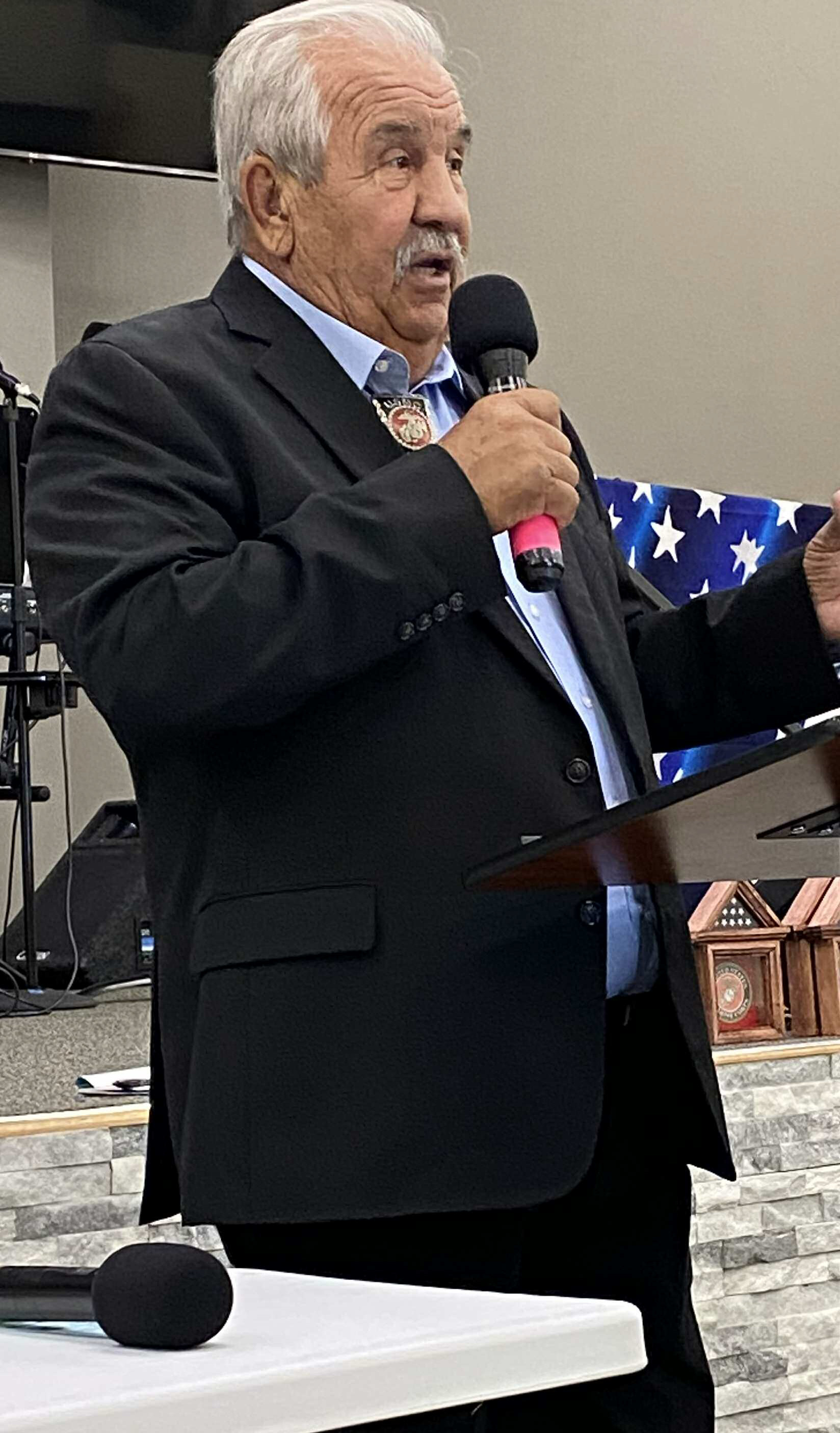
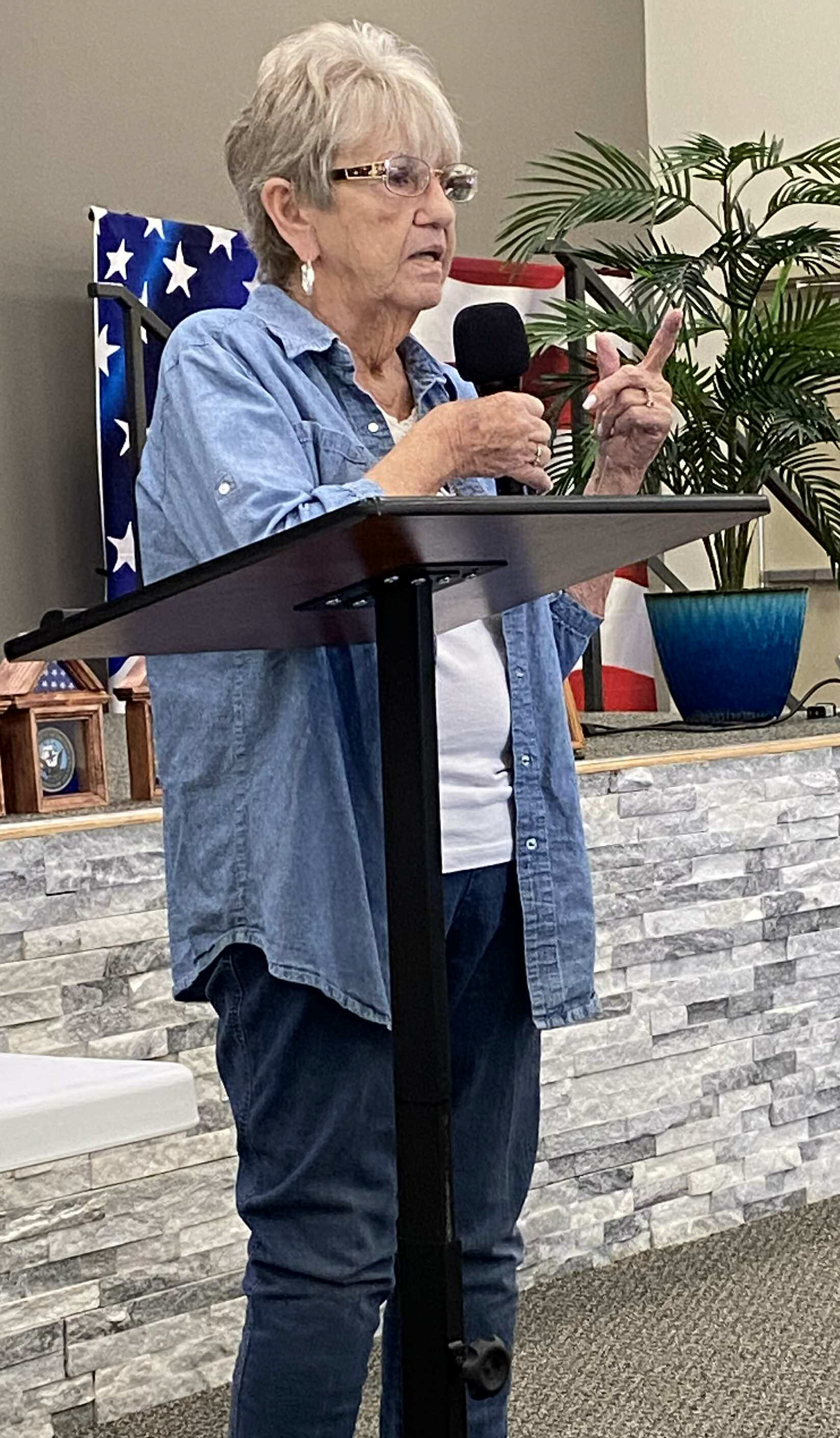
Vigil described the milling process during a May 18 meeting of the Post-’71 Uranium Workers Committee at The Way, Truth & Life Ministries in Grants.
The crusher was the “beginning” process of milling the ore. The trucks would come in, dump their loads in different pockets, where he and coworkers would collect it with a front-end loader and dump it into a hopper. Inside the hopper was a conveyor belt that led down into a large jaw crusher, Vigil said.
“We’re down there, we have all this noise going on, we have huge ventilators that are supposedly sucking all this air and dust out. You had tremendous amounts of dust when that ore was being crushed,” he said. From there the ore traveled to the roll crusher, which smashed the rock into smaller pieces on its way to the tower crusher, where it then was crushed into minute particles of fine sand before continuing its way along the milling process.
“We would have a twoweek shutdown once a year.
We would be climbing the beams in the crushing building to brush off 6, 7, 8 inches worth of dust that had accumulated on top of those beams,” Vigil said. “We were up there with respirators – sometimes without – pushing that dust off and using air compressors to blow it. What does that create? More dust – in a swirl.”
Mill workers in the crushing section had a lot of dust intake in their lungs, he said. Vigil has had part of his right lung removed due to cancer. He now has a spot on his left lung.
Linda Evers, co-founder of the Post-’71 committee, started working on the labor gang at the Kerr-McGee mill in July 1976, right out of high school, then went to the crusher section. She took time off in 1979 to have a baby with birth defects. From there she went to work at the Homestake mill. In 1981 she gave birth to another baby with defects, then turned to hauling uranium ore from the Jackpile Mine to the Anaconda mill for Autrey Trucking.
“Victor wasn’t lying when he said every shutdown we put 6 to 8 inches of dirt off of every I-beam that held that building together,” Evers said. “We’d have to sweep the decks after our shift and sometimes you couldn’t see the deck for the dust, but you still had to sweep it or the next crew had 6 inches to push.
“And he was right – we got one little paper mask. You’d think a shift, right? But no, no. We got one little paper mask a week and that guy was full of crap before the first half hour of our shift was over so mostly we wore bandanas.”
Evers now has degenerative bone disease, degenerative joint disease, COPD [chronic obstructive pulmonary disease] and scarring in the lungs has begun. Under RECA, she currently does not have a compensable disease.
Spewing money
Kerr-McGee had its own acid-processing plant where workers made the sulphuric acid used to break down the ore and recover the uranium. At the end of the process were the tailings, a liquid waste that was pumped through pipelines to tailings and evaporation ponds.
When there was a break in the pipe that carried the tailings, Vigil and coworkers would be sent to repair it.
“One of those lines in the evaporation pond would break and that stuff was just spewing out like a river. They wouldn’t turn the pumps off because if you shut the pumps off it would clog up the line and that would be even worse. So they would continue letting that run – and it just spraying everywhere,” Vigil said.
“We would go over there and grab large chunks of rubber tubing, wrap it around and clamp it shut. In the meantime we were just covered in all those tailings, in all that waste. Once we got it taken care of we went back to work. We didn’t stop, go in and take a shower to get that stuff off. We worked with it on all day long. By the end of the shift, a lot of it would just gradually flake off.”
Ore from Kerr-McGee’s Section 35, a “hot” mine, was a pain to process because it was wet, Evers said. “It would clunk up our chutes and it would build up on the impactors. We would have to take crowbars and pry mud off the impactors. They would let it sit for an extra day or two so the top wasn’t too bad but when you got to the bottom, it was nothing but a mucky mess. We hated it.”
Part of the process was shoveling it – “one square shovel at a time” – to overhead chutes, she said. “You’d get a shovelful of muck and throw it up and over your head so at the end of the day you were completely covered from the crap that was not going into the chute. I’m almost 6 foot. I would have to swing that shovel full of muck up and then tiptoe at the very end to get it to the chute hole.”
In the yellowcake section Vigil and coworkers would fill 55-gallon drums with the yellow powder, cap them and prepare them for transport.
“While you’re processing and filling those yellowcake drums, you have that fine dust coming at you. It’s damp when it goes into the drums but it still has a fine mist. You walk out of there and you look like a bright yellow duck,” he said. “That’s the color of what the yellowcake was – a bright, bright yellow.”
A 55-gallon drum would weigh between 400 and 900 pounds, depending on the density of the yellowcake, he added.
If it looks like a duck …
At the end of the week the workers would take their clothes home and have them washed. “Where was all that stuff going?” he asked. “It was in the house. When the water drained out of the washing machines, where did it drain into? The sewer system. So wherever the mines were, everybody was affected.”
Sarah Scott from Critical Nurse Staffing said some pre-1971 workers believe they only can apply for RECA benefits if they have symptoms of lung disease; but that’s not the case. 'If you’ve got the scarring in the lungs because you worked in the mines, that qualifies you,” she said.
“There are two ways you can do it. One is a you get a physical that says you are symptomatic. The other one is a legal diagnosis. If you’ve got the scarring in the lungs because you worked in the mines, that qualifies you as well.”
Contrary to popular belief, military veterans who worked in the mines can receive services under both the U.S. Department of Labor program for miners and the Veterans Administration program because they’re not the same type services and do not come from the same pool of money, Scott said.
“One thing that really bugs me about the Department of Labor and how they go about doing things is they have no idea what you guys were exposed to before 1971. They really didn’t have any idea until 1977 when MSHA [Mine Health and Safety Administration], the miners safety program, came out,” she said.
“And as we know, Kerr-McGee has no records at all of you guys ever working with Kerr-McGee. They just somehow miraculously disappeared.”
Vigil believes the illnesses that have affected the miners and millers have carried over into other generations.
“A lot of the kids are born with deformities. It may not be an obvious deformity. It may be something in the lungs or something in the heart. That’s from the fallout from the radiation from the tailings at all the sites – from Homestake, from Anaconda, from Kerr-McGee,” he said. “We need to remember that every inch of that uranium industry – the mining, the processing, the mill-working – affected each and every one of us.”
“This has been in the air for umpteen years. I don’t care how much you tell me that they’ve cleaned up the tailings, it’s still there. There’s no way you’re going to get it all cleaned up. There’s uranium dust and things still up in the attics here. I’ll bet there are a lot of homes that still have it. I’ll bet you anything.”