
Donation of historic loader to New Mexico Mining Museum celebrates larger cleanup effort
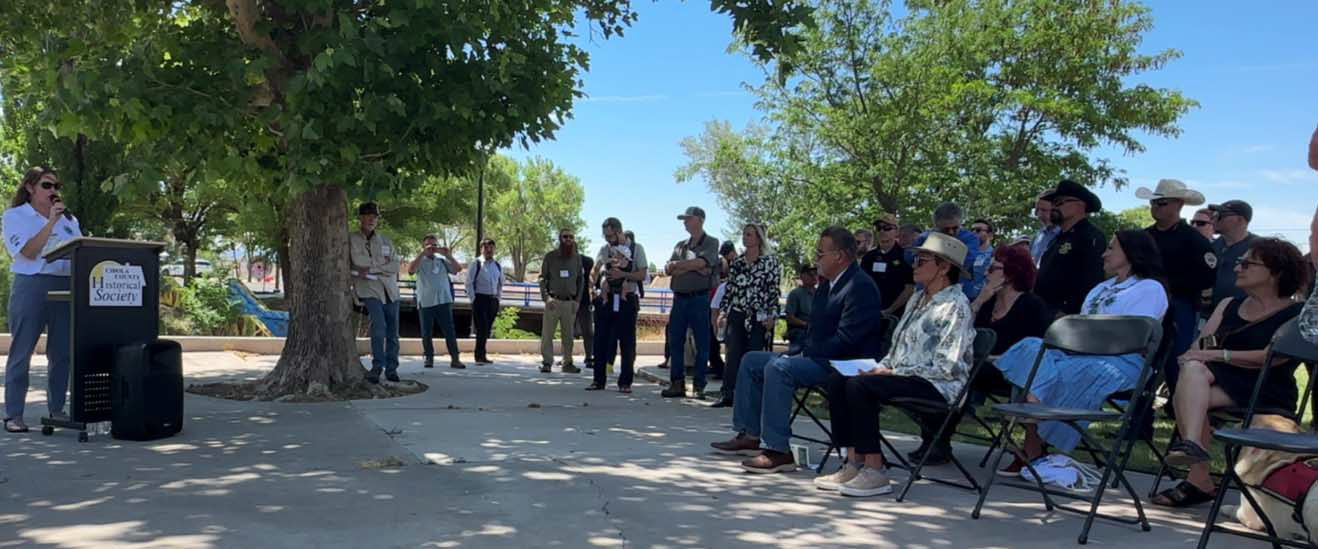
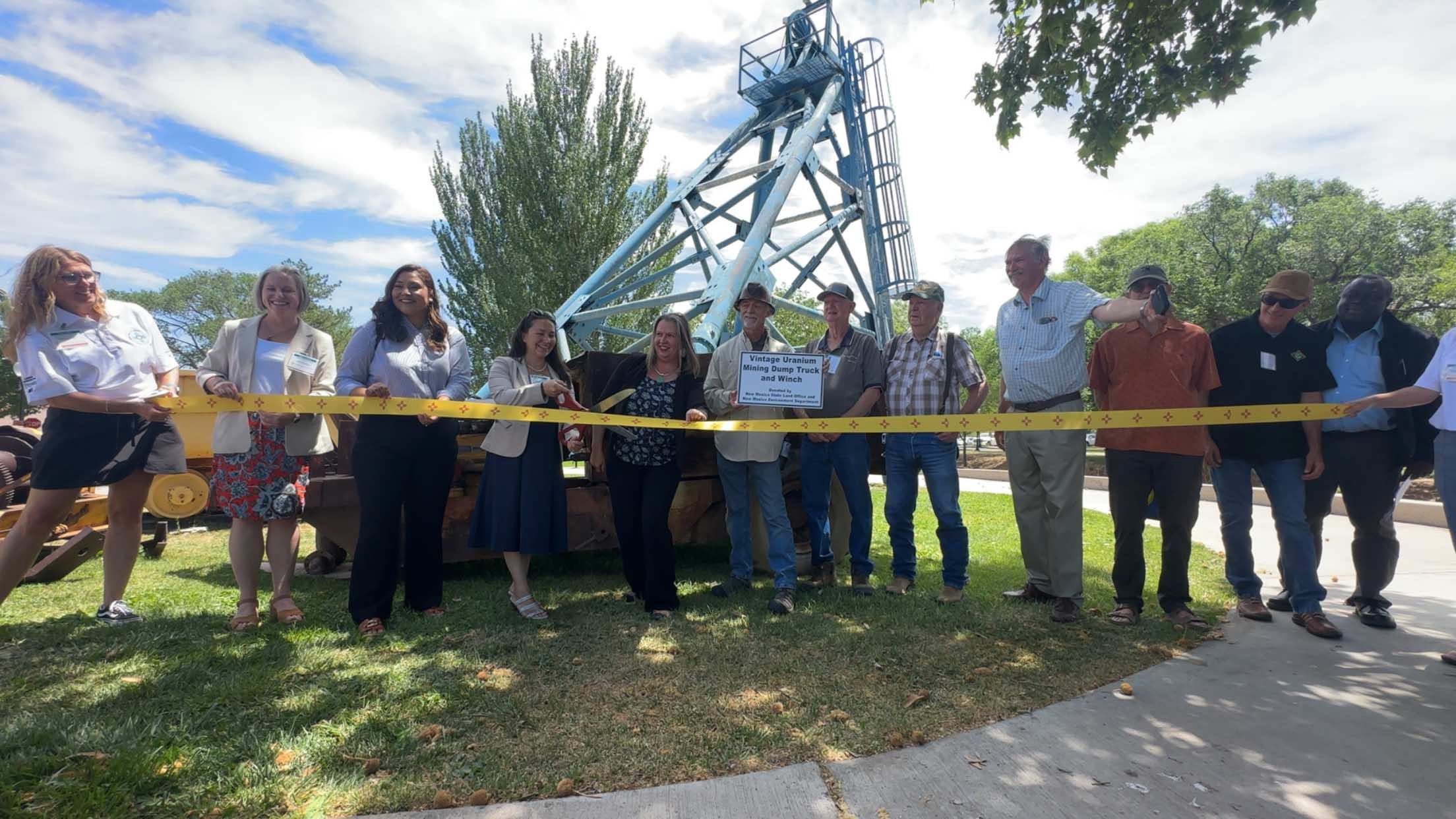
GRANTS, N.M. – A front-end loader once used to mine uranium near San Rafael now sits outside the New Mexico Mining Museum as a reminder of the industry that shaped Cibola County and of the cleanup work now underway to address what was left behind.
The machine, known as a “young buggy,” once hauled ore from the Schmidt Decline mine near San Rafael. After testing to ensure there was no residual radiation, it was donated to the museum so visitors can sit in the driver’s seat and imagine what it was like to work underground. Roger Siegmann, NMMM board member, wore his grandfather’s miner’s hat as he climbed into the cab and was credited by organizers for shepherding the donation through permitting and red tape.
While the bright yellow buggy provided a photogenic centrepiece, the real purpose of the event was to mark a turning point for Cibola County’s long neglected mine waste.
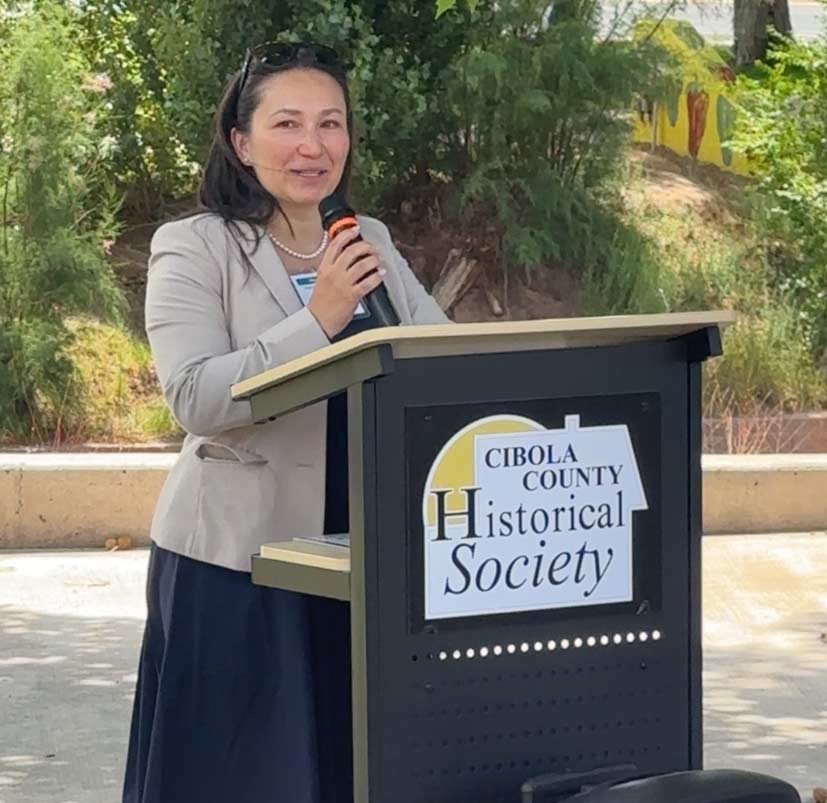
New Mexico Land Commissioner Stephanie Garcia Richard told attendees that the state legislature and Governor Michelle Lujan Grisham have moved to commit serious resources toward remediation after years of advocacy. In March 2026 the Legislature set aside $20 million in the FY 2026 budget to reclaim abandoned uranium sites, building on a 2024 appropriation of $25 million dedicated to the Schmidt Decline, Red Bluff #1 and Moe #4 mines.
The state estimates there are at least 350 abandoned uranium mine and mill sites across New Mexico – a toxic Cold War legacy that left waste rock piles, unsealed shafts and contamination near communities in Cibola and McKinley counties.
“This is the inflection point,” Garcia Richard said. “We are closing the chapter on exposing our citizens to things that are making them sick. The mining industry provided prosperity and good paying jobs, but prosperity must be accompanied by its sister – remediation and reclamation.” She noted that New Mexico has the dubious distinction of being the first nation to have “bombed its own people” at the Trinity test outside Tularosa in 1945 and the site of the nation’s largest uranium tailings spill.
Cleaning up that legacy, Garcia Richard’s said, requires partnership among state agencies and local residents.
What Reclamation Looks Like
For many residents the term “reclamation” is abstract, so engineers on hand from EA Engineering and Clean Harbors explained what the work entails.
At the Schmidt Decline – one of the first projects funded under the new initiative – heavy equipment has been busy backfilling the open decline. Crews placed the most radioactive waste rock back into the mine shaft, then piled remaining waste rock on top and capped the area with a three layer evapotranspiration cover made of clean native soil. The cap, roughly three feet thick, will be seeded with grasses and shrubs recommended by the State Land Office; its layered design prevents water infiltration and erosion so that the site blends back into the mesa and is stable for a thousand years.
Colleen Rust of EA Engineering described the work as “reclaiming land as close as we can to natural conditions.”
Each site requires a unique design and cost estimate, she said, but the goal is always to eliminate physical hazards and radioactive exposure. Leaving waste piles unaddressed allows radioactive dust to blow in the wind or wash into waterways, posing health risks to people and wildlife. The new initiative is funded entirely by the state, but program leaders hope to secure federal or private contributions as more sites are prepared for cleanup.
Adjacent to the Schmidt Decline, contractors are also preparing to remediate the Red Bluff #1 and Moe #4 mines if funds allow.
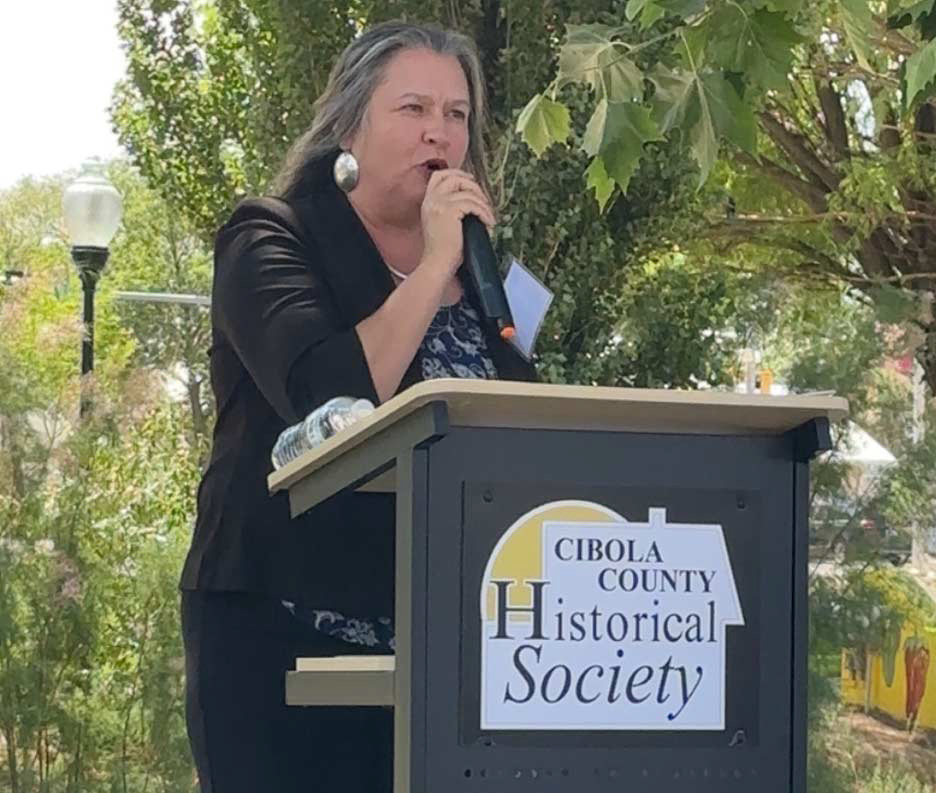
According to project coordinator Mary Ulibarri with the New Mexico Environment Department, two of the reclamation projects are slated to be substantially complete by the end of the current fiscal year. She emphasised that the grants mining district was selected first because of its proximity to populated areas and the willingness of landowners to grant access. Twelve state agencies are coordinating on the effort, including the Environment Department, Energy Minerals and Natural Resources, the State Land Office and the Department of Cultural Affairs, which ensures historic artefacts are protected. Future funding rounds will target additional sites across the Grants Mineral Belt.
Where the Waste Goes
Cleaning up a mine does not make the waste vanish.
Representatives from Clean Harbors, a waste management company, explained that waste rock from the Schmidt Decline and other sites is loaded into sealed trucks, monitored for radioactivity and shipped to the company’s engineered landfill near Deer Trail, Colorado. The facility accepts naturally occurring radioactive material only below regulatory limits; each load is weighed and scanned at both the source and the disposal site. A Clean Harbors manager said the company had already disposed of more than 2,200 tons of waste rock from Red Bluff #1 and expected to reach 2,400 tons by the end of the project. The material is placed in a lined landfill with groundwater monitoring wells to ensure contaminants do not migrate.
Uranium Legacy Back at the Mining Museum, the newly installed loader links the technical discussion to the lived experience of generations of miners.
Museum President Tom Pounds said the museum has been working for years to acquire a rubber tired vehicle to complement its underground tour, which mostly features rail mounted ore cars. Visitors will now be able to climb aboard the loader for free; the seat swivels, and interpretive panels will explain how miners operated in low ceilings with limited visibility. “This is a very cool piece of equipment,” Pounds said, adding that it will be a regular stop for families on guided tours.
State officials said that much work remains.
The Abandoned Uranium Mine Reclamation Initiative is intended to be self sustaining; settlements with former mine operators, federal contributions and future appropriations will be directed into a revolving fund. The New Mexico Environment Department estimates that mitigation costs could reach $5.3 million per mine, underscoring the scale of the challenge. Nonetheless, two complete reclamations in a single fiscal year would be unprecedented for New Mexico and may serve as a model for other Western states.
“So that is what New Mexicans live with every day, this legacy,” Garcia Richards said. “And we are hopeful that this is the turning point.”